A report that is said to have hugely overestimated the cost to the UK of reaching net zero emissions has been retracted by the rightwing thinktank that published it.
The Civitas pamphlet, published on Thursday claimed to offer a “realistic” estimate of the cost – £4.5tn – and said “the government needs to be honest with the British people”. However, factual errors were quickly pointed out after publication.
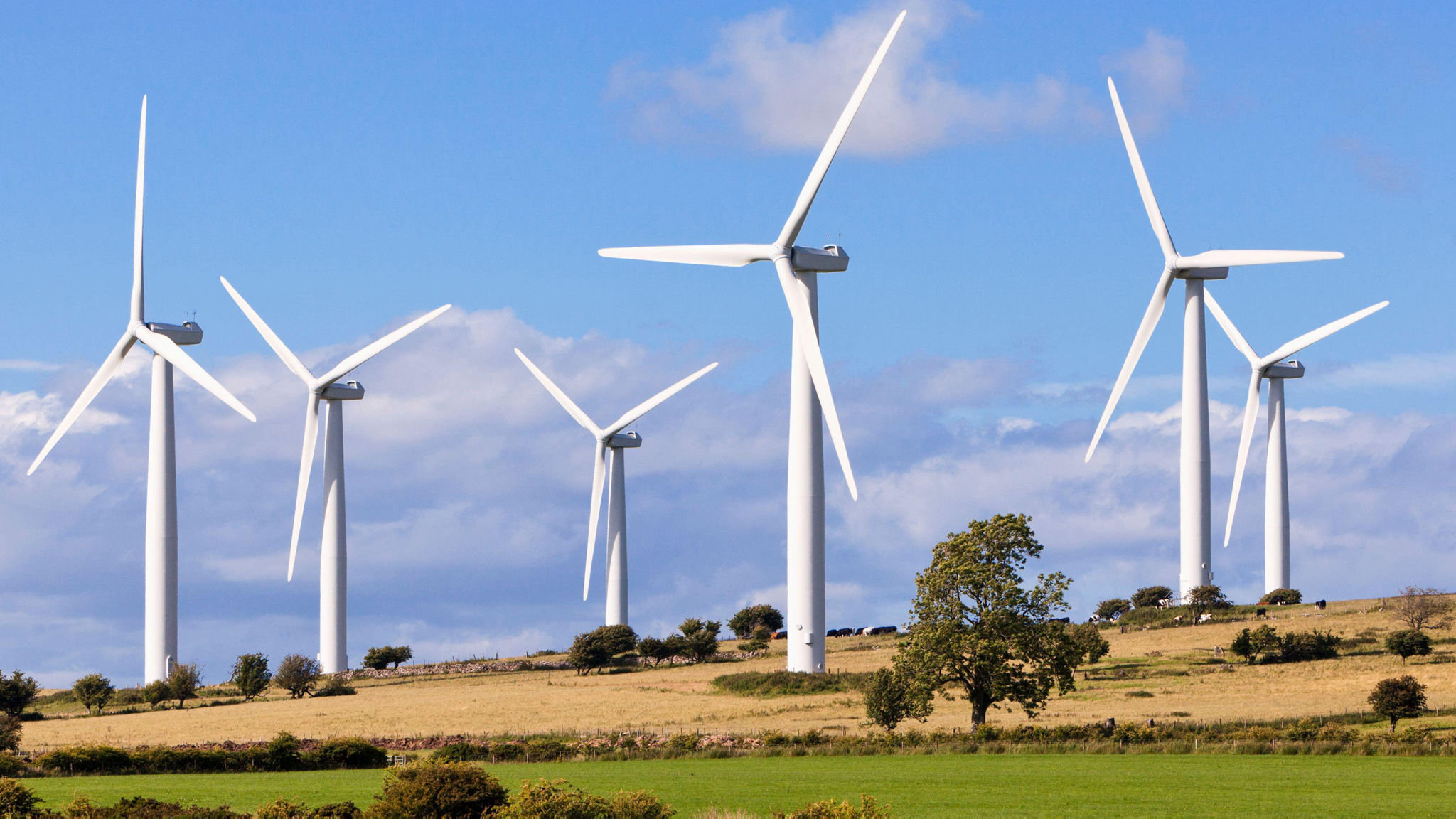
According to available reports, the most serious error was the confusion by the report’s author, Ewen Stewart, between power capacity in megawatts (MW) with electricity generation in megawatt hours (MWh). As a result, he presented an unrealistic “£1.3m per MWh” figure for the cost for onshore wind power. The true number is more than 10,000 times lower at about £50 to £70 per MWh. Another error was mixing up billions with trillions.
On its website, Civitas said: “This report has been taken down from the website because it was found to contain factual errors, it is undergoing revision and a fresh process of peer review. A revised report will be released when this process is completed.”
Read also: Sydney smashes 1 October heat record as Victoria fights bushfires
The statement by Civitas replaced an earlier one in which Civitas said the report’s problems were limited to only two paragraphs: “There has been criticism on social media of two paragraphs of this report, where capacity and output are confused. These paragraphs will be amended and updated.
The author is happy to acknowledge this and correct the report. The fact remains that we are facing a huge bill for net zero that is many times more than official estimates.”
The erroneous Civitas estimate of the cost of meeting net zero is far higher than the figure produced by the government’s official adviser, the climate change committee (CCC), which said that reaching net zero would require net investments of £1.4tn by 2050.
However, the CCC also found that reaching net zero would generate savings in the form of lower fossil fuel bills worth £1.1tn, resulting in a net cost of £0.3tn. The Civitas report did not reference the Office for Budget Responsibility’s 2021 conclusion that “unmitigated climate change would ultimately have catastrophic economic and fiscal consequences”. Stewart wrote in 2021 that human-caused warming is a “contested theory”.
The report is said to have followed Rishi Sunak’s recent climate speech, in which he called for an “honest” approach to net zero that ends “unacceptable costs” and changed policies in order to slow the pace of the UK’s climate action. The Civitas report was covered by the Sun, the Times, Daily Mail, Daily Express and the Spectator. By Monday the Express had removed its article, while others had added footnotes but kept the pieces online.
Prof Jim Skea, who is the new chair of the Intergovernmental Panel on Climate Change, the world’s foremost climate science body, was quoted as saying this week that taking a slower route to net zero emissions by 2050 will worsen the climate crisis.
Analysis of the Civitas report by Carbon Brief’s Simon Evans in the Guardian on Friday found statements unsupported by evidence and cherrypicked statistics. The report stated, for example, that it is “not unreasonable to assume” that net zero would add £403bn to the cost of food, but did not say how that would happen. Published evidence indicates instead that the impacts of climate change and high fossil fuel prices have added an estimated £11bn to UK food bills in 2022 alone.
Story was adapted from the Guardian.
