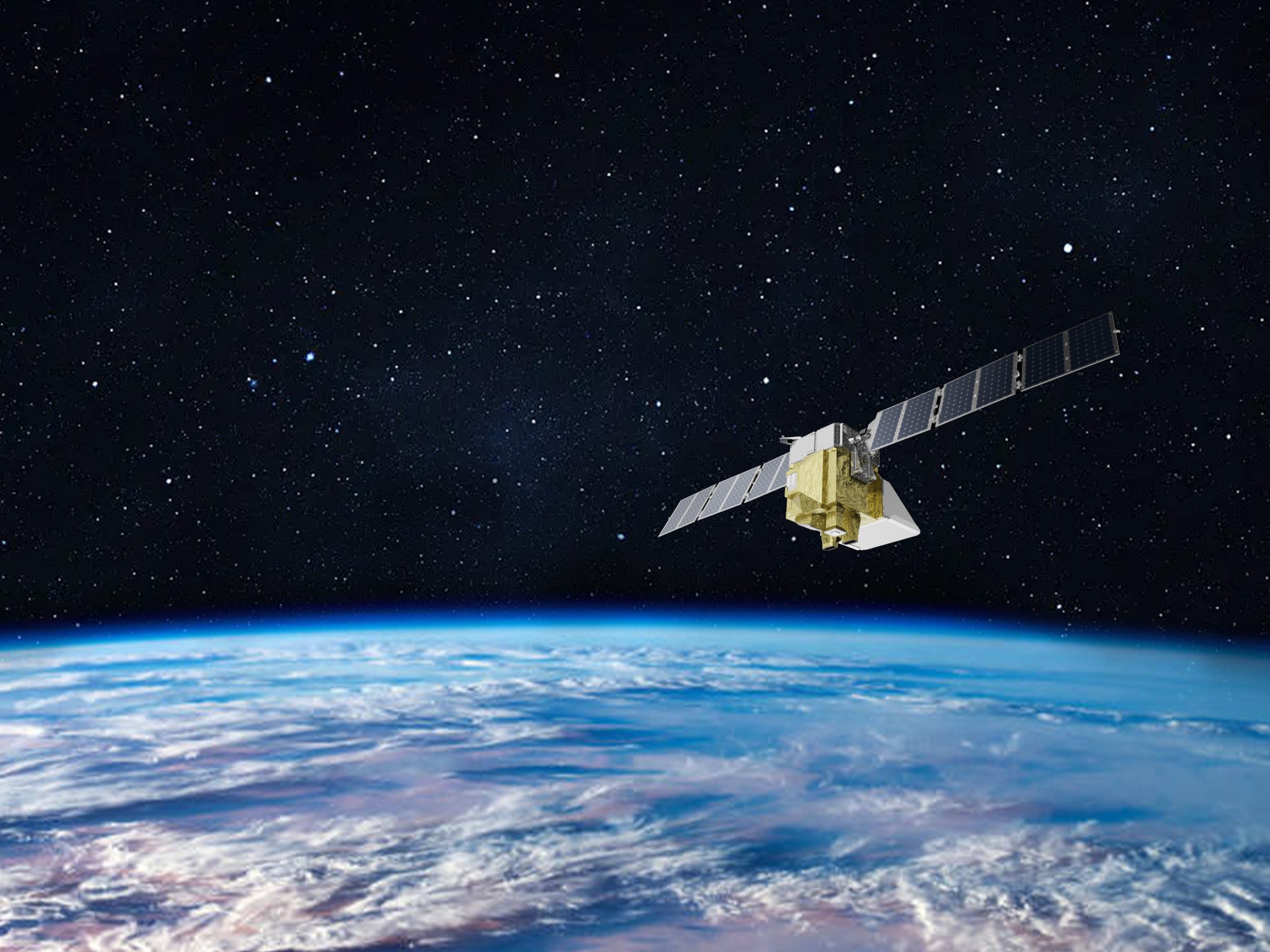
A satellite image investigation has revealed that Oil and gas equipment intended to cut methane emissions is preventing scientists from accurately detecting greenhouse gases and pollutants.
Energy companies operating in countries such as the US, UK, Germany and Norway appear to have installed technology that could stop researchers from identifying methane, carbon dioxide emissions and pollutants at industrial facilities involved in the disposal of unprofitable natural gas, known in the industry as flaring.
Flares are used by fossil fuel companies when capturing the natural gas would cost more than they can make by selling it and they also release carbon dioxide and toxic pollutants when they burn as well as cancer-causing chemicals.
But despite the health risks, regulators sometimes prefer flaring to releasing natural gas – which is 90% methane – directly into the atmosphere, known as “venting”. The World Bank, alongside the EU and other regulators, have been using satellites for years to find and document gas flares, asking energy companies to find ways of capturing the gas instead of burning or venting it.
The bank set up the Zero Routine Flaring 2030 initiative at the Paris climate conference to eradicate unnecessary flaring, and its latest report stated that flaring decreased by 3% globally from 2021 to 2022.
Read also: G7 agree to end use of unabated coal power plants by 2035
But since the initiative, “enclosed combustors” have begun appearing in the same countries that promised to end flaring. Experts say enclosed combustors are functionally the same as flares, except the flame is hidden.
Tim Doty, a former regulator at the Texas Commission on Environmental Quality, said: “Enclosed combustors are basically a flare with an internal flare tip that you don’t see. Enclosed flaring is still flaring. It’s just different infrastructure that they’re allowing.
“Enclosed flaring is, in truth, probably less efficient than a typical flare. It’s better than venting, but going from a flare to an enclosed flare or a vapour combustor is not an improvement in reducing emissions.”
The only method of detecting flaring globally is by using satellite-mounted tools called Visible Infrared Imaging Radiometer Suite of detectors (VIIRS), which find flares by comparing heat signatures with bright spots of light visible from space.
But when researchers tried to replicate the database, they saw that the satellites were not picking up the enclosed flares.
Eric Kort, an associate professor at the University of Michigan, said: “The VIIRS satellite database is still the standard product that scientists use globally. It’s the best, most consistent product we currently have.
“If you enclose the flare, people don’t see it, so they don’t complain about it. But it also means it’s not visible from space by most of the methods used to track flare volumes.”
Story was adapted from the Guardian.
