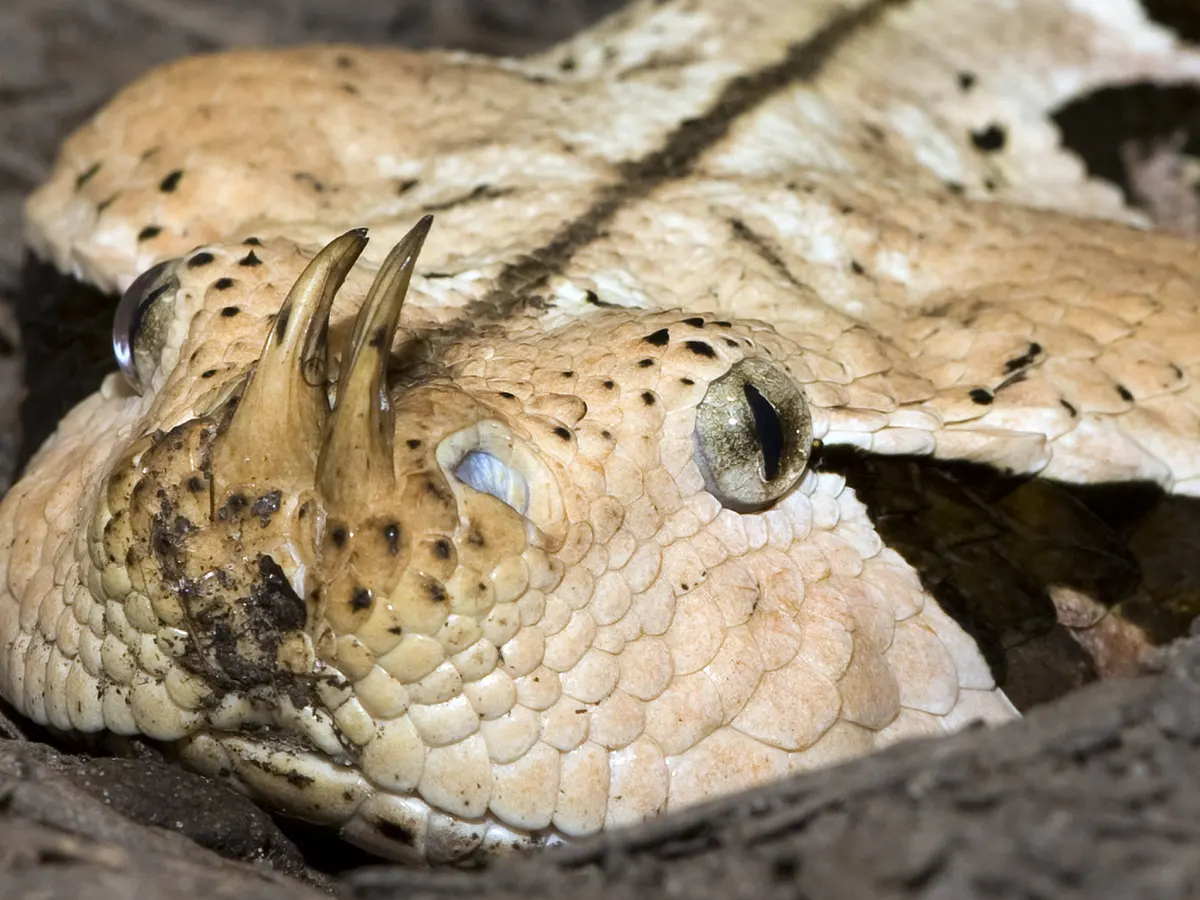
A study has shown that climate breakdown is likely to lead to the large-scale migration of venomous snake species into new regions and unprepared countries.
The researchers who undertook the study said that Nepal, Niger, Namibia, China, and Myanmar will gain the most venomous snake species from neighbouring countries under a heating climate.
Low-income countries in south and south-east Asia, as well as parts of Africa, will be highly vulnerable to increased numbers of snake bites, according to the findings published in the journal Lancet Planetary Health.
The study modelled the geographical distribution of 209 venomous snake species that are known to cause medical emergencies in humans to understand where different snake species might find favourable climatic conditions by 2070.
The study found that while a majority of the venomous snake species will experience range contractions due to loss of tropical and subtropical ecosystems, habitats for some species such as the west African gaboon viper will increase by up to 250%.
Read also: Public asked to monitor UK and Irish rivers for pollution
The ranges of the European asp and the horned viper were also forecast to more than double by 2070.
However, some snakes, including the variable bush viper endemic to Africa and the hognosed pit viper of the Americas were projected to lose more than 70% of their range.
“As more land is converted for agriculture and livestock rearing, it destroys and fragments the natural habitats that snakes rely on,” said study authors Pablo Ariel Martinez at the Federal University of Sergipe in Brazil and Talita F Amado at the German Centre for Integrative Biodiversity Research in Leipzig, Germany.
“However, some generalist snake species, especially those of medical concern, can adapt to agricultural landscapes and even thrive in certain crop fields or livestock areas that provide food sources like rodents.”
“Our research shows that when venomous snakes start showing up in new places, it’s a wake-up call for us to start thinking about how we can keep ourselves and our environment safe,” the study authors said.
The World Health Organization estimates 1.8 to 2.7 million people are bitten by venomous snakes each year, causing up to 138,000 deaths and at least 400,000 amputations and permanent disabilities. The WHO categorised snakebite envenomation as a neglected tropical disease of the highest priority in 2017.
Story was adapted from the Guardian.
