research authored by more than a dozen scientists from around the world and published on Tuesday, has warned that Global emissions of methane, a powerful planet-heating gas, are “rising rapidly” at the fastest rate in decades, requiring immediate action to help avert a dangerous escalation in the climate crisis.
Methane emissions are said to be responsible for half of the global heating already experienced, have been climbing significantly since around 2006 and will continue to grow throughout the rest of the 2020s unless new steps are taken to curb this pollution, concludes the new paper.
While the world “quite rightly” has focused on carbon dioxide as the primary driver of rising global temperatures, states the paper published in Frontiers in Science, little has been done to address methane, despite it having 80 times the warming power of CO2 in the first 20 years after it reaches the atmosphere.
“The growth rate of methane is accelerating, which is worrisome,” said Drew Shindell, a climate scientist at Duke University and lead author of the study. “It was quite flat until around 20 years ago and just in the last few years we’ve had this huge dump of methane. It’s made the job of tackling anthropogenic warming all the more challenging.”
So far in the 2020s, global methane emissions have typically been about 30m tons higher each year than during last decade, with annual records in methane emissions broken in 2021 and again in 2022. While there is no single clear reason for this, scientists point to a number of factors.
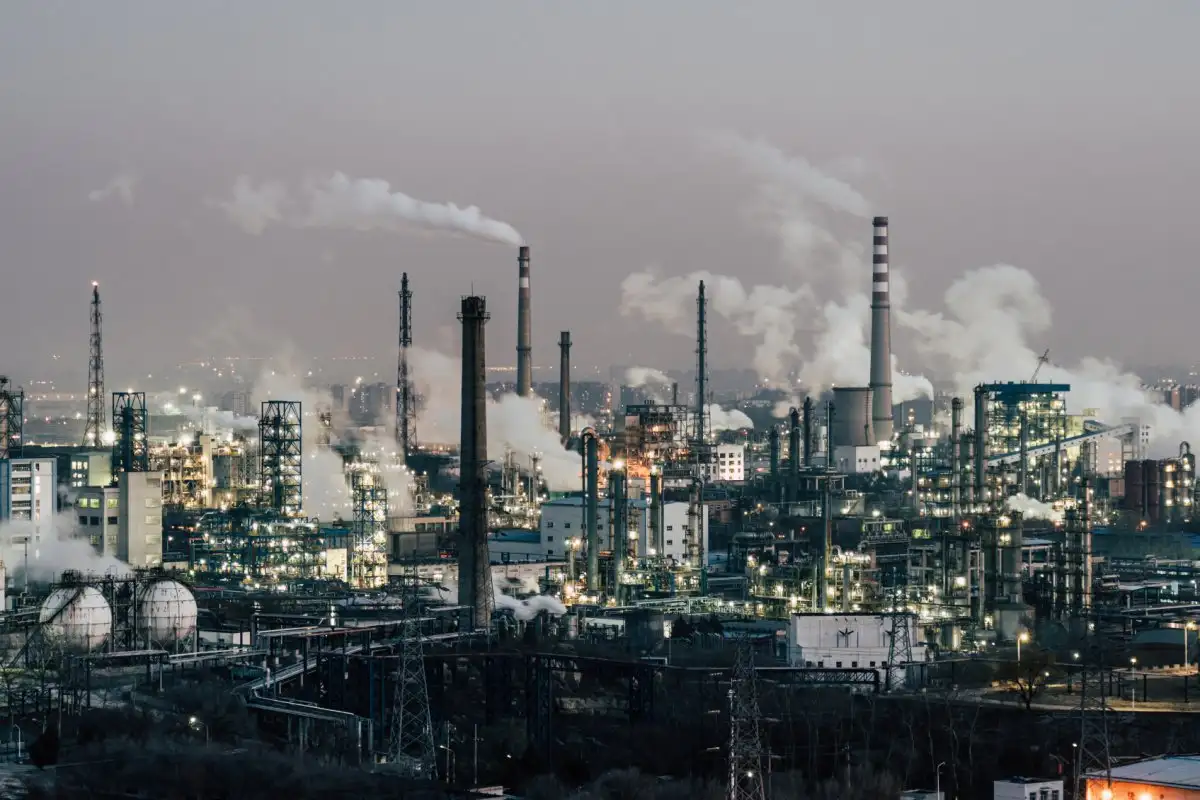
Methane comes from the drilling and processing of oil, gas and coal, with a boom in fracking causing a rash of new gas projects this century. The gas is also emitted from livestock, primarily through the burps of cows, and increased animal agriculture, as well as to a lesser degree expanding rice production, has contributed.
Meanwhile, rising global heat is causing the faster decomposition of organic matter in wetlands, thereby releasing more methane.
In 2021, the US and the European Union spearheaded a new initiative, called the Global Methane Pledge, which commits to a collective 30% cut in methane emissions by 2030. This scheme has now expanded to 155 countries yet only 13% of emissions are covered by current policies and only 2% of global climate finance goes towards cutting methane emissions, according to the new paper.
“I don’t think that target is necessarily out of reach yet but we have to redouble our efforts to get there,” said Shindell. “Countries are leading with oil and gas regulations, but it’s a challenge to get rules in place, and when it comes to livestock that’s just unpalatable to most governments, they just don’t want to touch it.”
But while CO2 can linger in the atmosphere for hundreds or thousands of years, unless removed, methane is a far shorter-lived threat. If all methane emissions were cut immediately, 90% of accumulated methane would have left the atmosphere within 30 years, providing a swifter way to reduce global heating than focusing just on carbon dioxide.
Story was adapted from the Guardian.
