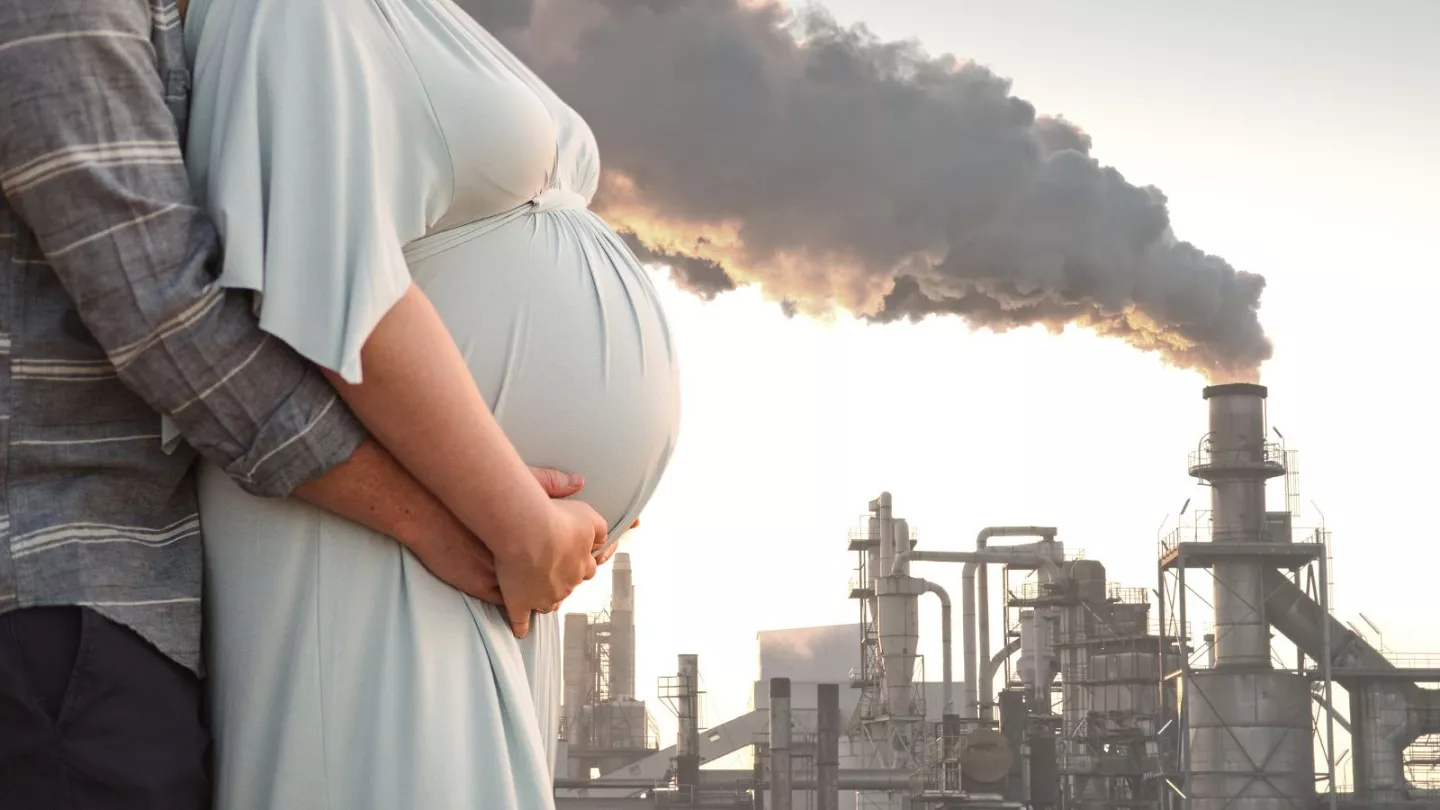
A new research in the US has found that maternal and paternal exposure to common air pollutants may increase the risk of infertility because it can be detrimental to egg, sperm and embryo development.
Previous papers have established that air pollution exposure probably contributes to infertility, but it has been unclear whether the toxins affected men or women because both parents face similar exposures. That also made it difficult to establish when in the conception process damage occurred.
Among other things, the new study looked at about 1,400 men and women attempting to have a child through in vitro fertilization. That allowed researchers to look at donor oocytes, which turn into eggs, and sperm that were developed in isolation from each other, and in physically different areas.
It was generally assumed that air pollution harmed women more, but the new research shows paternal exposure is a problem, too.
“We don’t usually think about the male partners’ exposures in the preconception window, but we and others are increasingly showing that male exposures are important, both in terms of fertility, and potentially later in child health outcomes,” said Audrey Gaskins, an Emory University researcher and study lead author.
Read also: Campaigners react as US argues against climate obligations at UN court
The paper looked at air quality data in participants’ zip codes and at fertilization clinics to establish exposure to a range of pollutants. It found exposure to organic carbon and particulate matter during egg and sperm development cycles to be most strongly associated with detrimental impacts on oocyte survival, fertilization and embryo quality.
Particulate matter is a common air pollutant produced by diesel-powered vehicles, power plants and other industrial facilities, as well as wildfire smoke. The Environmental Protection Agency this year lowered the threshold at which it takes action to reduce levels because research has shown the substance more toxic than previously thought.
Gaskins noted a potential real world example in previous research that found that wives of traffic policemen in India, where air pollution levels are high, had lower rates of successful pregnancy.
Exposure to organic carbon, which is a component of particulate matter, during ovarian stimulation, the period in in vitro fertilization when ovulation is medically induced, seemed to increase the likelihood that eggs would not survive. The pollutant also seemed to impact folliculogenesis and spermatogenesis, which are critical steps in egg and sperm development.
Story was adapted from the Guardian.
