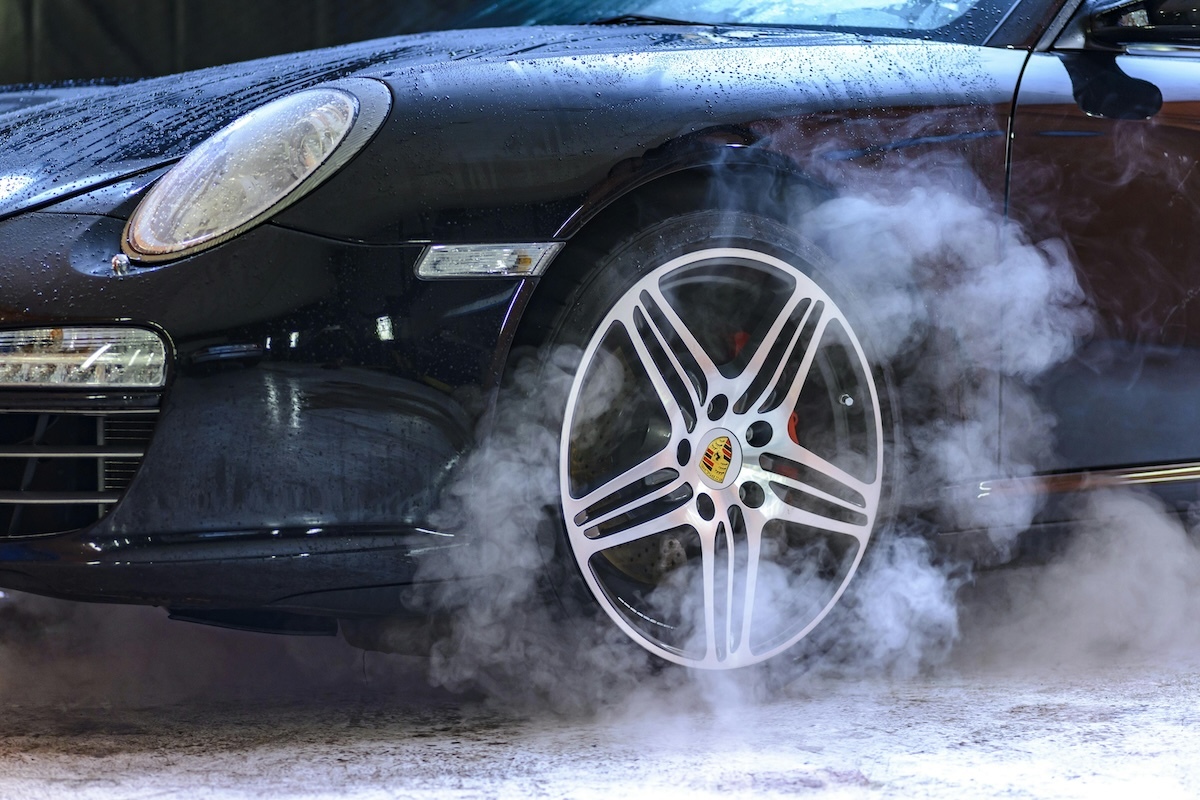
A new study has found that Microscopic particles emitted from brake pads can be more toxic than those emitted in diesel vehicle exhaust.
Among other things, the new research shows that even with a move to electric vehicles, pollution from cars may not be able to be eradicated. The researchers found that a higher concentration of copper in some commonly used brake pads was associated with increased harmful effects on sensitive cells from people’s lungs, as a result of particles being breathed in.
Exposure to pollution generated by cars, vans and lorries has been previously been linked to an increased risk of lung and heart disease. While past attention has mainly concentrated on exhaust emissions, particles are also released into the air from tyre, road and brake pad wear.
These emissions are largely unregulated by legislation and the study found that these “non-exhaust” pollution sources are now responsible for the majority of vehicle particulate matter emissions in the UK and parts of Europe, with brake dust the main contributor among them.
Read also: Study warns world’s largely unprotected peatlands are ticking carbon bomb
Dr James Parkin, from the University of Southampton and lead author of the study published in the journal Particle and Fibre Toxicology, said: “People generally associate pollution from cars as being from exhaust pipes and think of electric vehicles as having zero emissions. However, electric vehicles still produce particulate matter due to friction and wear of the road, tyres, and brakes.
“We wanted to understand how different types of chemical composition of pads affect the toxicity of the particles emitted and what this might mean for the health of individuals.”
The scientists examined the effects on lung health of particulate matter from four different types of brake pad with differing chemical compositions; low metallic, semi-metallic, non-asbestos organic and hybrid-ceramic.
Results showed that of the four types of brake pads, non-asbestos organic pads were the most potent at inducing inflammation and other markers of toxicity, and were found to be more toxic to human lung cells than diesel exhaust particles. Ceramic pads were the second most toxic.
Story was adapted from the Guardian.
