Top Posts
Endangered Donkeys of Sokoto: Exploring the Hidden Drivers...
Fortune Charms Craze Threatens Vulture Population in Kano
Illegal Farming and Logging Drive Human–Elephant Conflict in...
Okomu National Park: Inside Nigeria’s Bold Community-Conservation Experiment
Cost of Development: How a Refinery and Highway...
How Youth Unemployment Drives Deforestation in Odual and...
FG says Nigeria’s energy transition must reflect national...
Researchers shows promising adaptations to climate change in...
Report shows more than 900 dead, 274 missing...
Indonesia works to restore normalcy after floods in...
EcoNai Newsroom
  • Newsround
  • Nigeria
  • Africa
  • World
World

Research: Climate change increases likelihood of new viruses

by admineconai April 30, 2022
written by admineconai April 30, 2022
1K

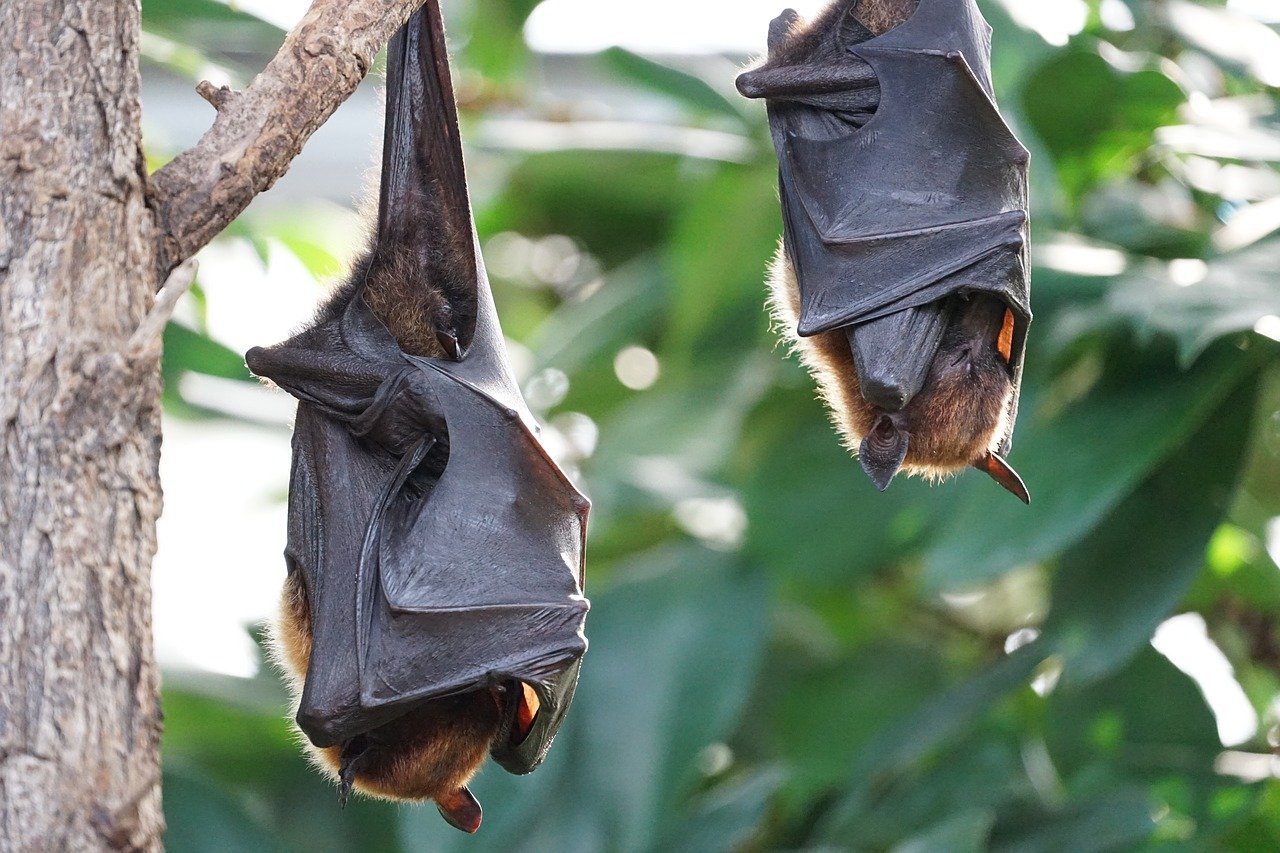
A new research has shown that climate change will drive animals towards cooler areas where their first encounters with other species will increase the risk of new viruses infecting humans.

According to the research, there are currently at least 10,000 viruses “circulating silently” among wild mammals that have the capacity to cross over into humans, mostly in the depths of tropical forests.

Published in the journal Nature, the research shows that as rising temperatures force those mammals to abandon their native habitats, they will meet other species for the first time, creating at least 15,000 new instances of viruses jumping between animals by 2070.

Read also: Climate Change: Satellite company to study changes on planet

Responding, co-author of the study, Gregory Albery, a disease ecologist at Georgetown University, said it had demonstrated a novel and potentially devastating mechanism for disease emergence that could threaten the health of animal populations in the future, which will most likely have ramifications for our health too.

“This work provides us with more incontrovertible evidence that the coming decades will not only be hotter, but sicker,” Albery said.

The researchers found that new contacts between different mammals would effectively double, with first encounters occurring everywhere in the world, but particularly concentrated in tropical Africa and Southeast Asia.

The study also looked at 3,139 species of mammals, modelling how their movements would change under a range of global warming scenarios, and then analysing how viral transmission would be affected.

Story was adapted from Aljazeera.

Climate changeIncreaseNew virus
0 comment 0 FacebookTwitterPinterestEmail
admineconai

previous post
SPECIAL REPORT: Enugu govt watches as waste takes over state, threatens public health, environment
next post
Report shows world lost more tropical forests in 2021.

Related Posts

Researchers shows promising adaptations to climate change in...

December 8, 2025

Report shows more than 900 dead, 274 missing...

December 8, 2025

Indonesia works to restore normalcy after floods in...

December 6, 2025

New report Report highlights Amazonian climate assemblies as...

December 6, 2025

1 million evacuated as death toll from Indonesia...

December 3, 2025

Japan reports mass oyster deaths as sea temperatures...

December 3, 2025

Study finds Africa’s forests transformed from carbon sink...

December 2, 2025

Flooding kills 69 in Sumatra as rescue crews...

November 28, 2025

Death toll from southern Thailand flooding climbs to...

November 28, 2025

Experts warn climate change driving major declines in...

November 18, 2025

Leave a Comment Cancel Reply

Save my name, email, and website in this browser for the next time I comment.

Newsletter

Subscribe my Newsletter for new blog posts, tips & new photos. Let's stay updated!

  • Facebook
  • Twitter
  • Instagram
  • Linkedin
  • Bloglovin
  • Vimeo

@2021 - All Right Reserved. Designed and Developed by Eco-Nai+

EcoNai Newsroom
  • Newsround
  • Nigeria
  • Africa
  • World