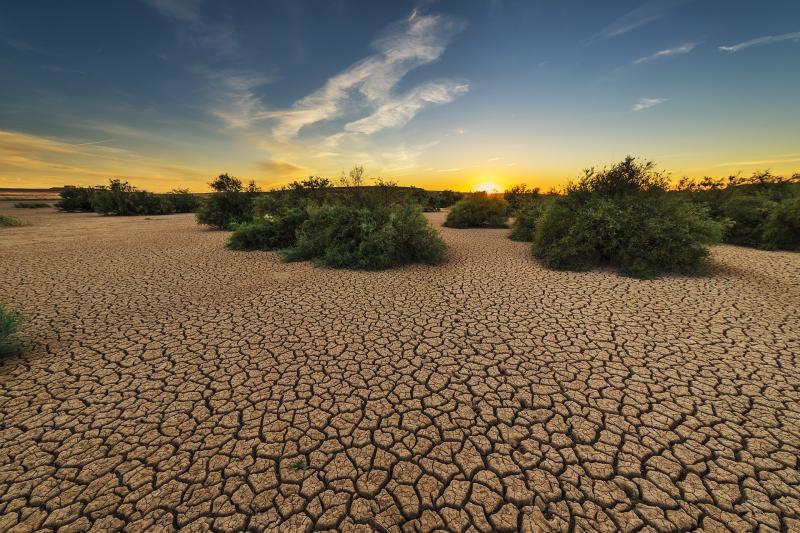
A new study has linked the sharp decline in rainfall across key agricultural regions of South Australia over the past seven decades to the combined effects of climate change and land-use practices amid rising temperatures.
The research, which was published in the journal Environmetrics, examined annual rainfall and temperature data collected between 1950 and 2023 from 26 Bureau of Meteorology-operated stations.
The stations are located in the Murray Mallee and Upper Eyre Peninsula regions.
According to a statement released on Tuesday by the University of Adelaide, researchers applied multiple statistical methods to assess long-term climate trends. They concluded that the observed rainfall decline was unlikely to be explained solely by natural variability.
The team identified several significant “change points”, years in which rainfall or temperature patterns shifted abruptly, that may be associated with industrial expansion, urbanisation, land-use changes and broader climate change influences.
Read also: Floods in eastern Congo leave more than 2,500 households homeless
Temperature data from selected monitoring stations in both regions showed consistent warming trends over the study period, reinforcing concerns about mounting climate pressures on agriculture and water resources.
The authors warned that the combination of declining rainfall and rising temperatures is likely to increase evaporation rates, reduce soil moisture and heighten drought risks.
These impacts pose significant challenges for cropping and livestock production systems that rely heavily on seasonal rainfall.
Story was adapted from Environews.
