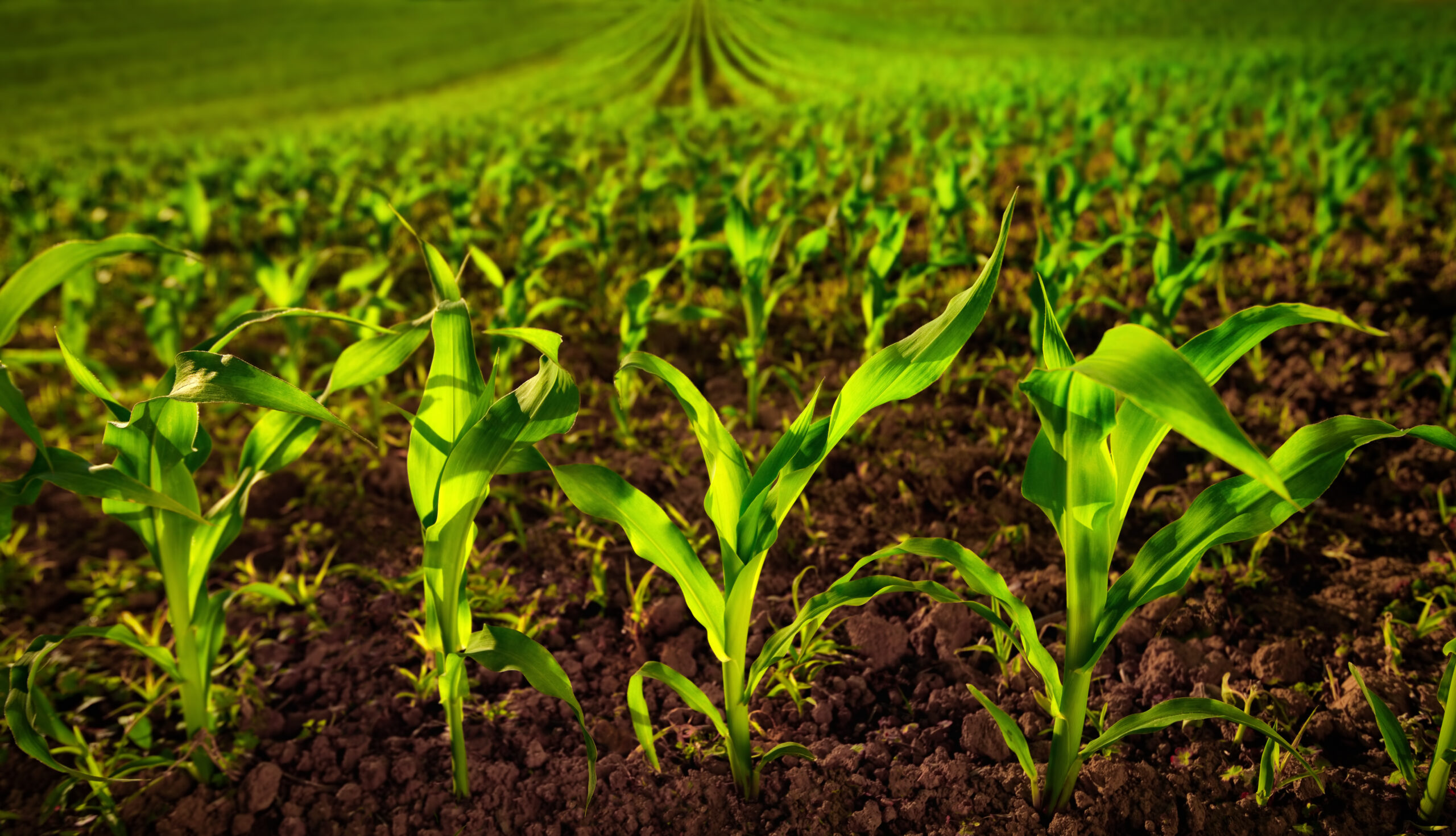
A new study published on Thursday has shown that although the production and use of nitrogen fertilizers account for 5 per cent of global greenhouse gas emissions, it can be massively reduced with a few available interventions.
Produced and used across the world, nitrogen fertilizers are crucial for global food security but their harmful emissions have been found to be contributing to global warming in an amount that exceeds that of the aviation sector, and are on par with the iron and steel, cement and plastics industries.
The new study, which is a step ahead of much existing research which has focused on emissions associated with the production of fertilizers showed that two-thirds come from the use of fertilizers in croplands.
“There is the perception that the petrochemical industry has been causing the emissions producing the fertilizers, but actually that doesn’t seem to be the case,”it showed. That was very surprising for us,” co-author Andre Cabrera Serrenho from Cambridge University was quoted as saying, adding that the findings are important in that they show where to prioritize action to reduce emissions.
The study, which was published in the journal Nature Food says carbon emissions could be reduced by up to 80 per cent by 2050 while still producing enough food to feed a growing global population.
Read also: Major European banks now under pressure to stop financing fossil fuels
“The interventions we propose in our study do not imply a loss in crop productivity, and they consider the future growing demand for food to feed a growing global population,” Serrenho confirmed.
“We are currently really inefficient in the way we use fertilizers,” he said. “We put much more fertilizers in croplands than the amount of nitrogen that actually crops need to grow.”
The main emissions in the use phase come from the degradation of fertilizer by bacteria that exist in the soil and produce nitrous oxide, one of the most powerful greenhouse gases while carbon dioxide and methane are also emitted in the use phase, but simply using less fertilizer could help to slash those harmful emissions.
However, policy shifts will be required to convince farmers to use fertilizers more efficiently — for example, applying them daily in smaller quantities instead of spraying in large doses once a season.
“If we could have more economic incentives to farmers to change practices to reduce emissions, that seems to be the most obvious place to start,” Serrenho said.
Story was adapted from Arab News.
