Top Posts
Oxford study shows almost half of world’s population...
Report shows extreme weather has cost the US...
EU faces a €70 billion annual bill to...
Report shows 55 weather disasters costing a billion...
Study shows climate change could expose over 1...
Fossil shorebirds reveal Australia’s ancient wetlands lost to...
Scientists warn global warming could breach 1.5°C earlier...
Study shows Antarctic penguins’ striking climate adaptation
Expert say Trump retreat on climate change creates...
Meta-study shows mechanisms of animals’ adaptations to cope...
EcoNai Newsroom
  • Newsround
  • Nigeria
  • Africa
  • World
Nigeria

AfDB says Nigeria can build climate-resilient economy

by Matthew Eloyi March 28, 2023
written by Matthew Eloyi March 28, 2023
684

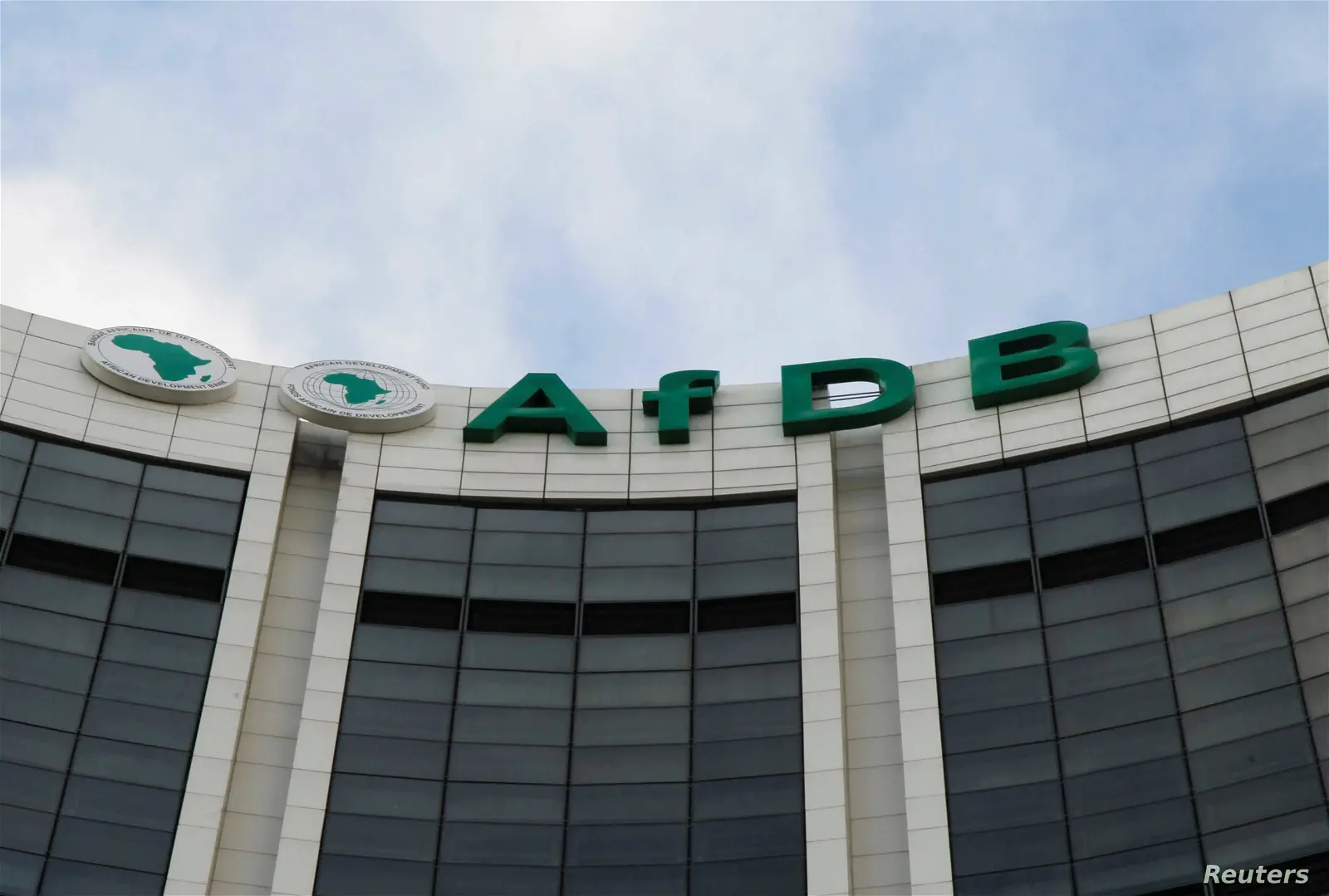
The African Development Bank (AfDB) has said in its “Country Focus Report 2022 Nigeria: Supporting Climate Resilience and a Just Energy Transition’’ that Nigeria can build a climate-resilient economy by adopting climate-smart agricultural practices.

It highlighted certain approaches, such as water collection, small-scale irrigation methods, land and water conservation, and management techniques, that are both affordable and efficient.

According to the report, the African Economic Outlook 2022 estimates of the Climate Resilience Index (CRI) show that, between 2010 and 2019, Africa is the least climate-resilient region in the world.

“With the lowest median (28.6) and mean (34.6) CRI scores, well behind Europe and Central Asia, the regions most resilient to climate shocks.

Read Also: Iraq suspends working hours amid heavy rainfall

“During the same period, Nigeria was moderately resilient as compared to other African countries, with a CRI score of 26.8.

“Nigeria suffers from multiple climate change effects, manifested through rising temperatures and periodic droughts and flooding though.

“But with implications for agricultural productivity, food security and electricity generation, the country has made some progress in reducing its vulnerability,” it said.

According to the report, Nigeria did considerably better than other African nations between 2010 and 2019 and is classified as having low susceptibility to climate change and high readiness to handle climate shocks.

However, given Nigeria’s reliance on conventional agricultural and fossil fuel energy sources, the report says effects of climate change continue to be a significant source of policy concern at the national level.

Story was adapted from Enviro News

AFDBclimateNigeria
0 comment 0 FacebookTwitterPinterestEmail
admineconai

previous post
Iraq suspends working hours amid heavy rainfall
next post
Engineers urge FG, states to implement experts’ recommendations to avert flooding

Related Posts

Guterres says world in climate chaos ‘cannot be...

January 17, 2026

Farmers urge govt to subsidise solar-powered irrigation facilities

January 17, 2026

Minister says Tinubu to push Nigeria’s position on...

January 14, 2026

NEMA asks flood‑prone communities to adopt risk reduction

January 6, 2026

Displaced Women in Nigeria Suffer Extreme Heat that...

January 4, 2026

Women engineers donate 100 tree seedlings to HJRBDA

January 1, 2026

𝗨𝗗𝗨𝗦 𝗔𝗹𝘂𝗺𝗻𝘂𝘀 𝗪𝗶𝗻𝘀 𝗡𝗶𝗬𝗔 𝗚𝗿𝗮𝗻𝘁 F𝗼𝗿 𝗖𝗹𝗶𝗺𝗮𝘁𝗲-𝗧𝗲𝗰𝗵 𝗜𝗻𝗻𝗼𝘃𝗮𝘁𝗶𝗼𝗻

December 19, 2025

Nigerian government restates commitment to address climate change

December 19, 2025

How Volunteer Community Rangers Lead the Fight for...

December 17, 2025

How the Military’s Counter-insurgency and Flooding Endanger African...

December 17, 2025

Leave a Comment Cancel Reply

Save my name, email, and website in this browser for the next time I comment.

Newsletter

Subscribe my Newsletter for new blog posts, tips & new photos. Let's stay updated!

  • Facebook
  • Twitter
  • Instagram
  • Linkedin
  • Bloglovin
  • Vimeo

@2021 - All Right Reserved. Designed and Developed by Eco-Nai+

EcoNai Newsroom
  • Newsround
  • Nigeria
  • Africa
  • World