Top Posts
1 million evacuated as death toll from Indonesia...
Japan reports mass oyster deaths as sea temperatures...
Study finds Africa’s forests transformed from carbon sink...
Flooding kills 69 in Sumatra as rescue crews...
Death toll from southern Thailand flooding climbs to...
AFDB strengthens investments in climate-peace-security nexus
Climate campaigners demand predictable funding for vulnerable countries
UNICEF says Nigerian children exposed to climate change...
NCCC DG says Nigeria prepared to tackle climate...
Experts warn climate change driving major declines in...
EcoNai Newsroom
  • Newsround
  • Nigeria
  • Africa
  • World
AfricaWorld

World Bank okays $150 million grant to help Chad reduce flood risk

by Matthew Atungwu April 7, 2023
written by Matthew Atungwu April 7, 2023
785

The World Bank announced on Thursday that it has authorized a grant of $150 million to assist Chad in lowering the danger of floods and bolstering urban planning.

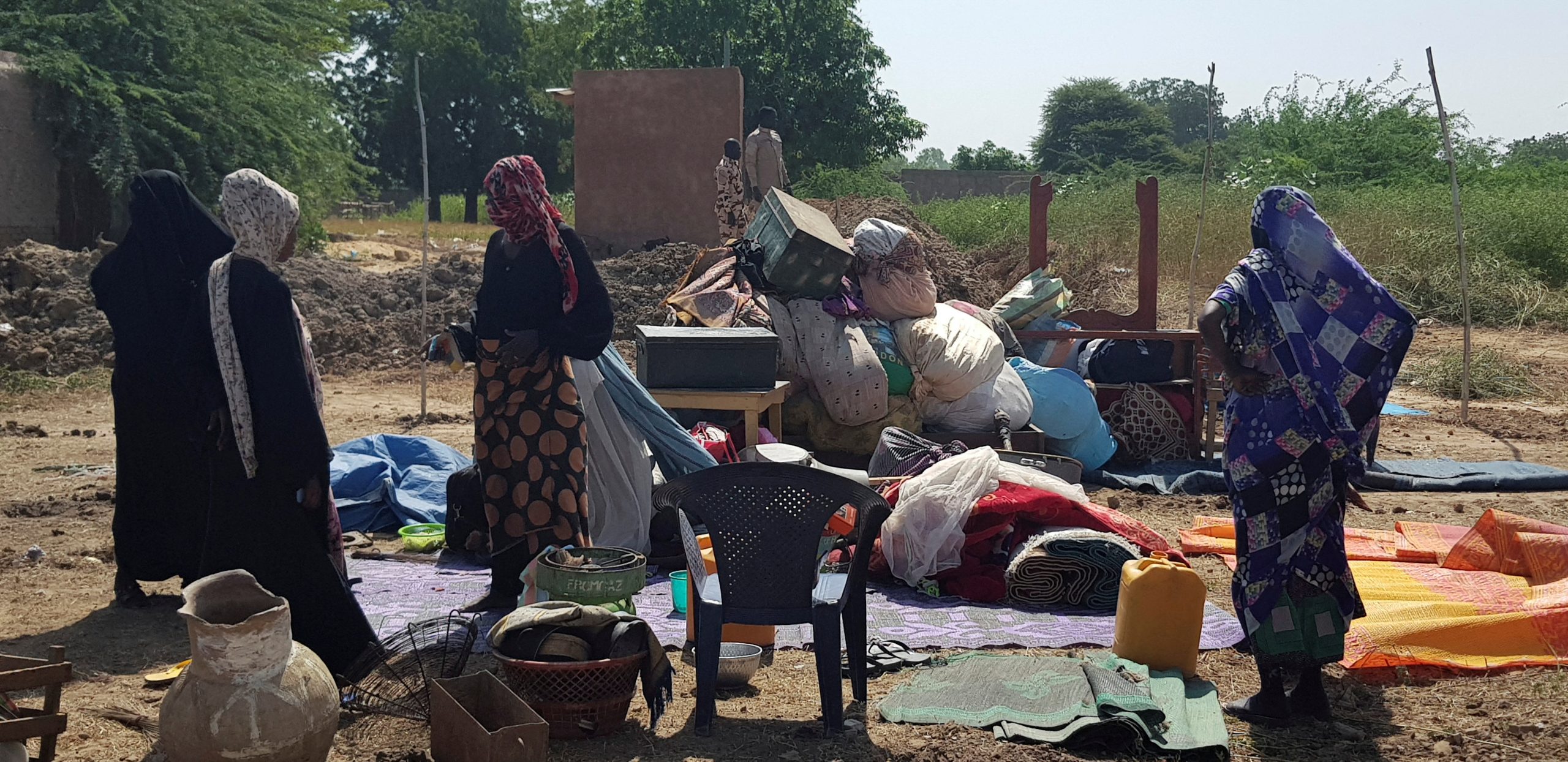
Chad experienced its highest seasonal rainfall in over 30 years in 2022, which made portions of the capital N’Djamena only accessible by boat and prompted thousands of people to evacuate their inundated houses.

President Mahamat Idriss Deby of the nation in central Africa proclaimed a state of emergency and put a plan in place to respond to the situation by offering food, shelter, and sanitary facilities.

According to a statement from the World Bank, floods in the city’s capital highlighted the necessity of spending money on emergency response, better urban drainage systems, and protective infrastructure.

Read Also: ifc-to-stop-supporting-new-coal-projects-campaigners-hail-decision

“The long-term vision of this project is to transform N’Djamena into a more resilient, green and sustainable city,” said Clara De Sousa, World Bank country director for Chad.

The statement added the project aims to establish a long-term partnership between the government of Chad, the city of N’Djamena, the World Bank and other partners working on this issue.

Floods are not uncommon during the central African country’s rainy season, which usually runs from May to October in its central and southern regions. But last year, the rains came early and were more abundant, quickly overwhelming drainage channels and ponds.

Story adapted from WHBL

ChadWorld Bank
0 comment 0 FacebookTwitterPinterestEmail
admineconai

previous post
IFC to stop supporting new coal  projects, campaigners hail decision
next post
Seplat Energy pledges to support youth entrepreneurship development

Related Posts

1 million evacuated as death toll from Indonesia...

December 3, 2025

Japan reports mass oyster deaths as sea temperatures...

December 3, 2025

Study finds Africa’s forests transformed from carbon sink...

December 2, 2025

Flooding kills 69 in Sumatra as rescue crews...

November 28, 2025

Death toll from southern Thailand flooding climbs to...

November 28, 2025

AFDB strengthens investments in climate-peace-security nexus

November 28, 2025

Experts warn climate change driving major declines in...

November 18, 2025

IEA predicts energy security risks from climate as...

November 18, 2025

Ethiopia to be officially named host of 2027...

November 18, 2025

ADF grants $9 million to strengthen climate resilience...

November 15, 2025

Leave a Comment Cancel Reply

Save my name, email, and website in this browser for the next time I comment.

Newsletter

Subscribe my Newsletter for new blog posts, tips & new photos. Let's stay updated!

  • Facebook
  • Twitter
  • Instagram
  • Linkedin
  • Bloglovin
  • Vimeo

@2021 - All Right Reserved. Designed and Developed by Eco-Nai+

EcoNai Newsroom
  • Newsround
  • Nigeria
  • Africa
  • World