Top Posts
Okomu National Park: Inside Nigeria’s Bold Community-Conservation Experiment
Cost of Development: How a Refinery and Highway...
How Youth Unemployment Drives Deforestation in Odual and...
FG says Nigeria’s energy transition must reflect national...
Researchers shows promising adaptations to climate change in...
Report shows more than 900 dead, 274 missing...
Indonesia works to restore normalcy after floods in...
WB report seeks stronger climate adaptation to safeguard...
New report Report highlights Amazonian climate assemblies as...
1 million evacuated as death toll from Indonesia...
EcoNai Newsroom
  • Newsround
  • Nigeria
  • Africa
  • World
Nigeria

AMAC launches project to tackle climate change impact

by admineconai July 11, 2022
written by admineconai July 11, 2022
860

Abuja Municipal Area Council (AMAC) has launched its Sustainable Energy Access and Climate Action Plan (SEACAP) as part of efforts to address the impacts of climate change.

Speaking during the launch of the plan in Abuja, Chairman of AMAC, Mr Christopher Maikalangu said that it had become necessary to build climate resilience, anticipate climate risks and hazards and ensure that low emissions that would foster development were encouraged.

He noted that the changing climate, which he said was different from what we had 10 years to 20 years ago, was affecting the way we live, adding that climate change was evident everywhere.

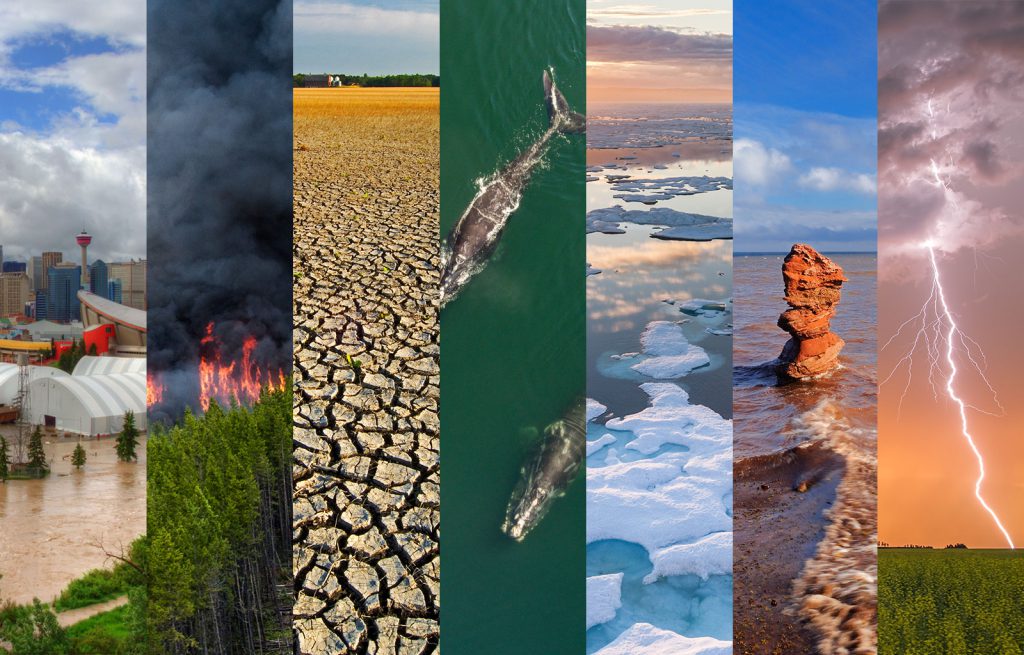
“Climate hazards such as floods, droughts, excessive rainfall, increasing temperatures, have increased in frequencies and intensities in many African cities and directly or indirectly impacted us all,” he said.

Read also: Three rescued, others missing as flood hits Lagos

He explained that the 2021 third assessment report of the World Meteorological Organisation and the United Nations Environment Programme, the WMO/UNEP Intergovernmental Panel on Climate Change, shows that the frequency and intensity of drought seem to have already worsened in some parts of Africa.

“Due to this, people who earn their livelihood from agriculture are not able to cultivate their crops when there is a flood or need to find alternative means of irrigation when there is a drought.

He noted that another concern was access to energy in Africa, as only over 40 per cent of the African population had access to electricity and about 17 per cent had access to clean cooking.

He maintained that access to energy was crucial to ensuring quality health and education which are relevant for creating economic and employment opportunities.

Story was adapted from Environ News Nigeria.

Climate changeFightImpactProject
0 comment 0 FacebookTwitterPinterestEmail
admineconai

previous post
Three rescued, others missing as flood hits Lagos
next post
Report shows Al important in climate change fight

Related Posts

Okomu National Park: Inside Nigeria’s Bold Community-Conservation Experiment

December 11, 2025

Cost of Development: How a Refinery and Highway...

December 11, 2025

FG says Nigeria’s energy transition must reflect national...

December 8, 2025

Climate campaigners demand predictable funding for vulnerable countries

November 21, 2025

UNICEF says Nigerian children exposed to climate change...

November 21, 2025

NCCC DG says Nigeria prepared to tackle climate...

November 21, 2025

NCCC DG says Nigeria to turn climate pledges...

November 14, 2025

Lagos pledges $9 billion investment for climate resilience,...

November 14, 2025

Nigeria restates commitment to climate change solutions

November 9, 2025

Nigeria approves national Carbon Market framework to unlock...

November 9, 2025

Leave a Comment Cancel Reply

Save my name, email, and website in this browser for the next time I comment.

Newsletter

Subscribe my Newsletter for new blog posts, tips & new photos. Let's stay updated!

  • Facebook
  • Twitter
  • Instagram
  • Linkedin
  • Bloglovin
  • Vimeo

@2021 - All Right Reserved. Designed and Developed by Eco-Nai+

EcoNai Newsroom
  • Newsround
  • Nigeria
  • Africa
  • World