Top Posts
New model to calculate true impact of climate...
Study shows air conditioners will worsen climate change...
New study links South Australia’s rainfall plunge to...
Floods in eastern Congo leave more than 2,500...
Flood: NEDC assures residents and motorists of speedy...
Study warns Grasslands Could Shrink by Half As...
Study shows floods linked to climate change hit...
Study shows existing insurance system falls short against...
President Samia says climate change eroding African livelihoods
UN member states urged to fulfil climate change...
EcoNai Newsroom
  • Newsround
  • Nigeria
  • Africa
  • World
Africa

Authority: Water levels in Zimbabwe’s biggest dam too low for power

by Segun Ogunlade November 28, 2022
written by Segun Ogunlade November 28, 2022
848

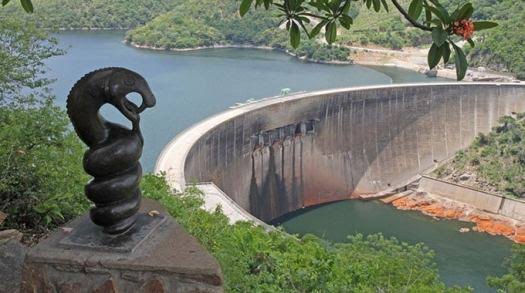
The authority that manages Zimbabwe’s biggest dam has said that water levels are now too low to continue power generation activities and this is expected to worsen the electricity shortages that have been plaguing the country.

The State-run Herald newspaper had reported on Monday that an ongoing expansion of a major coal-fired power station, Hwange, could help plug the shortages exacerbated by the Kariba plant shutdown if it goes live by year-end as scheduled.

In a letter dated November 25, the Zambezi River Authority, which runs the Kariba Dam jointly owned by Zimbabwe and neighboring Zambia, said that water levels are now at a record low and electricity generation must stop.

The Kariba South Hydro Power Station provides Zimbabwe with about 70% of its electricity and has been producing significantly less than its capacity of 1,050 megawatts in recent years due to receding water levels caused by droughts.

Report on the website of the state-run power firm, Zimbabwe Power Company shows that the Kariba plant has been generating 572 megawatts of the 782 megawatts of electricity produced in the country.

Read also: India’s finance minister urges startups to focus on climate change solutions

In a letter to the Zimbabwe Power Company and the authority, the authority’s chief executive officer, Munyaradzi Munodawafa said that the dam no longer has any usable water to continue undertaking power generation operations.

“And we are left with no choice” except to “wholly suspend” power generation activities pending a review in January when water levels are expected to have improved”he said.

Story was adapted from AP News.

DamPowerWater levelsZimbabwe
0 comment 0 FacebookTwitterPinterestEmail
admineconai

previous post
India’s finance minister urges startups to focus on climate change solutions
next post
Landslide kills scores in Cameroon

Related Posts

Floods in eastern Congo leave more than 2,500...

February 23, 2026

Study shows existing insurance system falls short against...

February 18, 2026

President Samia says climate change eroding African livelihoods

February 18, 2026

Climate Change center raises concern over sharp climatic...

February 9, 2026

AGN chair demands Africa’s unity amidst declining global...

February 6, 2026

Research: Climate change could lead to 500,000 ‘additional’...

February 2, 2026

Floods kill more than 100 across southern Africa...

February 2, 2026

New IOM report warns Afghanistan faces natural disasters...

December 31, 2025

WB report seeks stronger climate adaptation to safeguard...

December 6, 2025

AFDB strengthens investments in climate-peace-security nexus

November 28, 2025

Leave a Comment Cancel Reply

Save my name, email, and website in this browser for the next time I comment.

Newsletter

Subscribe my Newsletter for new blog posts, tips & new photos. Let's stay updated!

  • Facebook
  • Twitter
  • Instagram
  • Linkedin
  • Bloglovin
  • Vimeo

@2021 - All Right Reserved. Designed and Developed by Eco-Nai+

EcoNai Newsroom
  • Newsround
  • Nigeria
  • Africa
  • World