A new study commissioned by the European Commission’s Directorate-General for Climate Action (DG CLIMA) has shown that the European Union will need to invest around €70 billion every year until 2050 to adapt to the growing impacts of climate change.
Funded under the Horizon Europe programme, the DG CLIMA study shows the investment required to reduce climate risks and strengthen resilience across the EU. Published in January 2026, the DG CLIMA study is the first comprehensive effort to estimate climate adaptation investment needs at both the EU and individual Member State levels, using a single, transparent methodology.
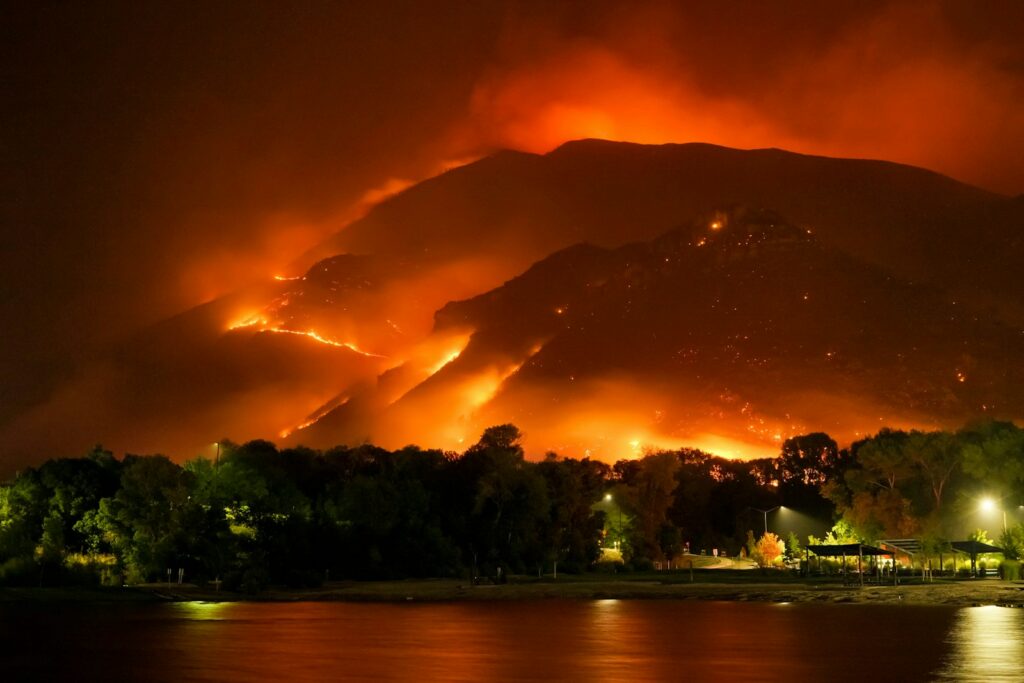
As global temperatures continue to rise, Europe is experiencing more frequent and severe climate-related hazards, including heatwaves, floods, droughts, and coastal erosion. These events are already imposing growing social and economic costs, making adaptation and resilience investments increasingly urgent.
The DG CLIMA study focuses specifically on the investments needed to prepare for and reduce exposure to climate risks, rather than on the costs of climate-related damage itself. This hope to give policymakers with a clearer picture of what is required to prevent future losses, rather than simply responding to disasters after they occur.
Of the estimated €70 billion required each year, the largest share, which is around €30 billion, would need to be directed toward infrastructure. This includes strengthening transport networks, buildings, energy systems, and water management infrastructure to withstand extreme weather events.
Ecosystems account for another €21 billion annually. Investments in nature-based solutions such as wetlands, forests, and urban green spaces play a crucial role in buffering climate impacts while also delivering biodiversity and mitigation benefits.
Food security represents an additional €12 billion per year, reflecting the growing pressure climate change places on agriculture, fisheries, and food supply chains. Measures in this area include improving soil resilience, water efficiency, and climate-smart farming practices.
Adaptation investment needs change significantly across the EU. France, Italy, Germany, and Spain face the largest overall requirements, partly due to their size, population, and economic activity. However, the study finds that the types of investments needed differ widely depending on geography, climate risks, and existing infrastructure.
Southern Member States face higher risks from heat and drought, while northern and coastal countries are more exposed to flooding and sea-level rise. These differences show the importance of tailored national strategies rather than a one-size-fits-all approach.
The assessment uses a four-step methodology. It begins by identifying climate risks based on the 2024 European Climate Risk Assessment and national adaptation plans. It then maps these risks to specific adaptation measures, gathers cost data for a shortlist of actions, and finally scales those costs to reflect national circumstances.
Each step is documented in detailed methodology reports published alongside the study, ensuring transparency and allowing results to be replicated or updated as better data becomes available.
The DG CLIMA study concludes that current adaptation finance across the EU falls well short of what is needed. It also highlights the co-benefits of adaptation investments, including support for climate mitigation and broader economic resilience.
However, it stresses that significant data gaps remain, particularly around adaptation costs and effectiveness. Better integration of climate risks and adaptation needs into national budget planning is also essential, given the central role of public investment.
Story was adapted from open access government.
