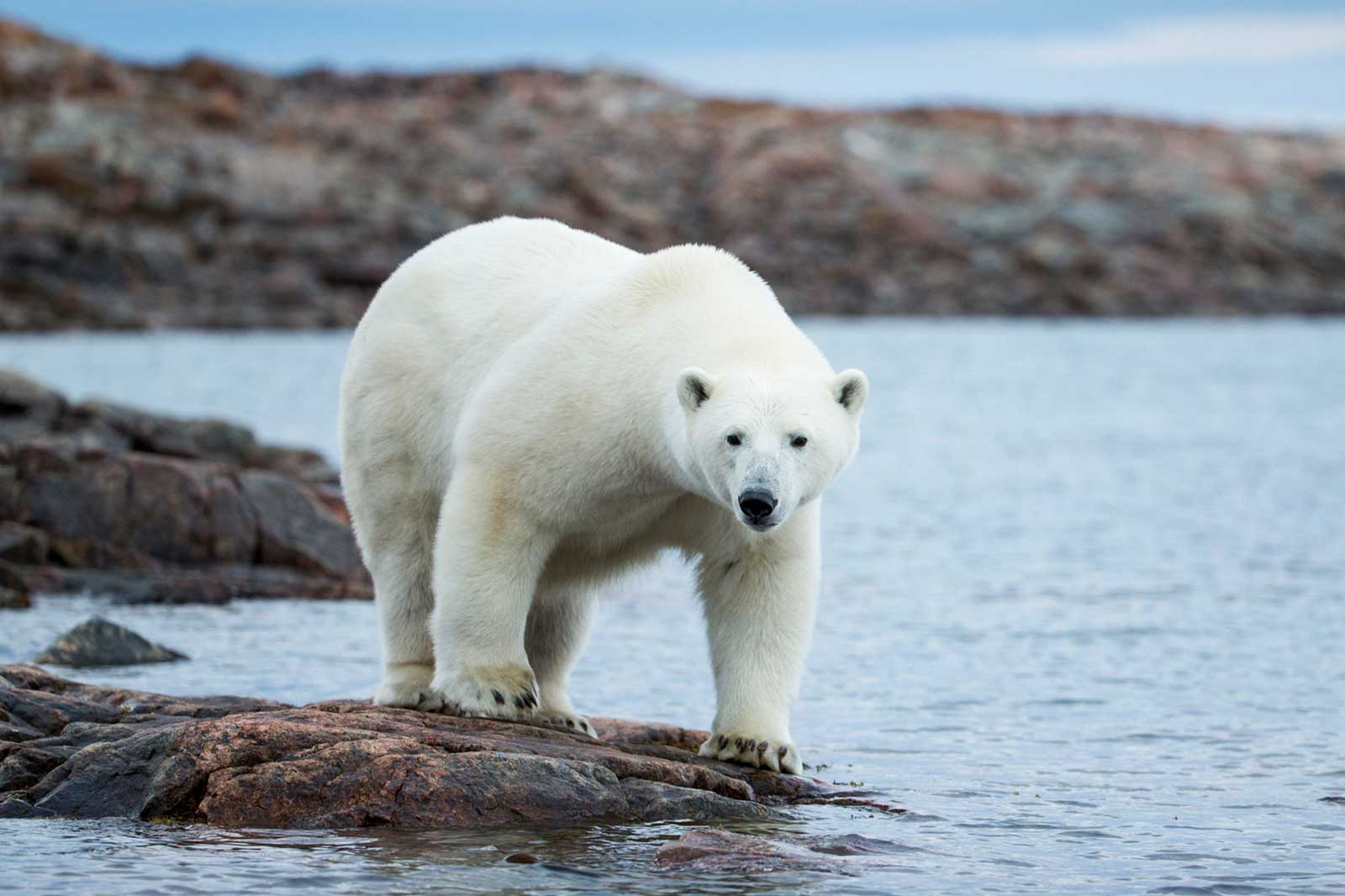
A new report by conservationists has called on the UK and other European governments to ban zoos from keeping polar bears because their enclosures are stressful and their upkeep adds to global warming.
The report by wildlife charity Born Free also called on politicians to discontinue the importing, holding and breeding of the animals that “survive and thrive in some of the coldest and most extreme climates in the world in the Arctic North”.
There are currently 151 polar bears in European zoos and the new study says the greenhouse gas emissions created by keeping polar bears in captivity is likely to be adding to the climate crisis, suggesting that by keeping polar bears, zoos are doing more harm to the planet than good.
Although zoos and wildlife parks have maintained they are helping save the species as climate change erodes their habitats, and that temperatures in northern Britain are similar to those in the Arctic, the report says most bear enclosures in zoos are made of concrete, whose production is shown to account for at least 8 per cent of global greenhouse gas emissions, and steel which contributes a further 8 per cent.
Read also: Research says plastic consumption on course to nearly double by 2050 in G20 countries
It noted that in most cases, exhibits have a water filtration or purification system and industrial equipment that uses large quantities of energy 24 hours a day, to keep them cool inside thereby resulting in a high carbon footprint.
The report also condemn fuel use for harvest and delivery of polar bear food, refrigerants and transport, as well as fuel for fish trawlers, waste disposal services and fuel use by visitors as all contributing to energy use and greenhouse gas emissions.
“Removing polar bears from the wild both diminishes their ecosystem’s ability to provide services to the biosphere whilst adding to anthropogenic greenhouse gas emissions. Animal welfare aside, this begs the question as to whether zoos are doing more harm than good to the ecology of the planet,” the researchers said, adding that small enclosures made for the animals limits their movement which often causes abnormal behaviour.
In addition, polar bears “often suffer heat stress when temperatures exceed those in their natural habitat”.
Born Free, which says keeping the creatures in zoos is “an archaic, unethical and damaging practice”, says studies show that in the wild polar bears roam distances so vast they would cover an area the size of Austria – which is 160 million times the minimum space of 500sq m recommended by international authorities.
Polar bears’ lives are often cut short by inappropriate diets, according to the study, and several have died in zoos after consuming foreign objects.
Story was adapted from the Independent.
