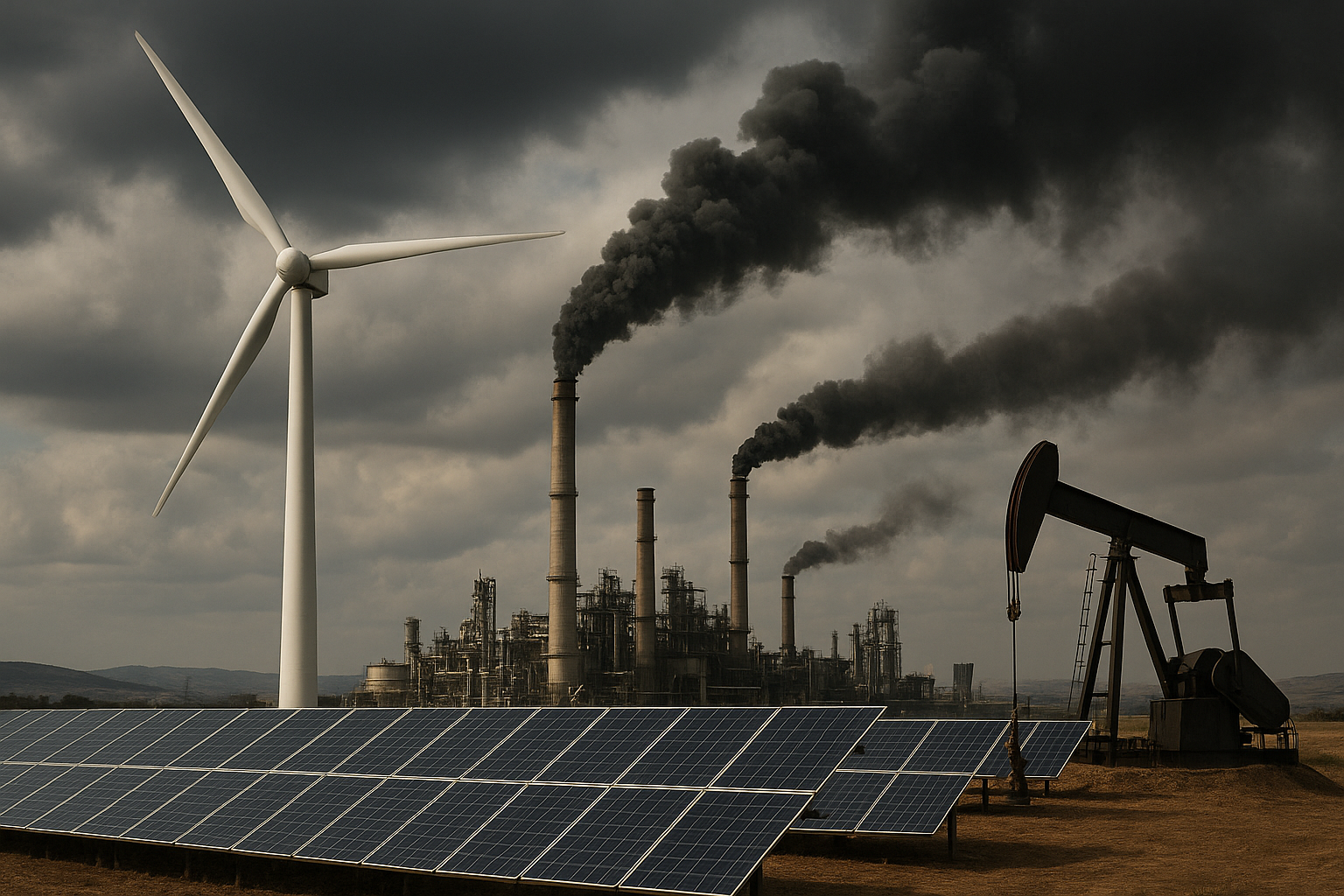
The International Energy Agency (IEA) has warned that the energy sector needs to urgently prepare for the impact of climate change, as the world looks unlikely to reach targets to cut emissions and the agency predicts demand for fossil fuels will keep rising beyond 2050.
“The resilience of energy infrastructure in the face of extreme weather and other hazards is becoming more critical, as well as to cyberattacks and other malicious activity,” the IEA wrote in its annual World Energy Outlook.
The IEA noted that disruptions to critical energy infrastructure in 2023 affected more than 200 million households around the world with power lines particularly vulnerable to weather risks.
“Extreme temperatures driving up peak demand could lead to a loss of two-thirds of planning reserve margins in the worst affected regions, underlining the need for increased climate resilience planning and implementation,” it said.
If governments pursue current policies, the IEA forecasts that demand for oil and natural gas will keep rising until mid-century, although coal is set to decline before 2030.
Read also: ADF grants $9 million to strengthen climate resilience in the Sahel
However, if countries do more to cut emissions and promote renewable energy, coal use could peak earlier and demand for oil might flatten by the end of the current decade, although demand for natural gas continues to grow into the 2030s. The IEA has previously said that “new oil and gas fields and coal mines are not compatible with limiting warming to 1.5ºC”.
In both scenarios, rising energy demand is driven by developing economies, particularly India and south-east Asia.
In the first scenario, warming reaches almost 3ºC by 2100, while it would be limited to around 2.5ºC under the second scenario, the IEA said. However, if the goal of net zero emissions is met by 2050, warming would peak at around 1.65ºC and decline slowly after that if measures are taken to remove CO2 from the atmosphere.
The IEA predicts that peak electricity demand rises around 40% by 2035, mainly due to increased need for cooling, with data centres and AI accounting for less than 10% of global growth.
By 2035, 80% of global energy consumption growth will occur in regions with high levels of sunshine for solar power, the IEA noted.
However, if current policies continue, the deployment of more solar and wind energy faces integration challenges that slow further growth and coal will remain the largest single source of global power generation for the next 10 years.
In the more ambitious scenario, renewables would meet all additional global energy demand from the 2030s, rising from one-third of electricity generation today to over half by 2035 and two-thirds by 2050, led by solar and wind power with support from batteries.
Under all three scenarios, the IEA sees a revival of fortunes for nuclear energy, with investment rising in both large-scale plants and small modular reactors. It predicts that global nuclear power capacity is set to increase by at least a third by 2035.
Story was adapted from Green central banking.
