Top Posts
𝗨𝗗𝗨𝗦 𝗔𝗹𝘂𝗺𝗻𝘂𝘀 𝗪𝗶𝗻𝘀 𝗡𝗶𝗬𝗔 𝗚𝗿𝗮𝗻𝘁 F𝗼𝗿 𝗖𝗹𝗶𝗺𝗮𝘁𝗲-𝗧𝗲𝗰𝗵 𝗜𝗻𝗻𝗼𝘃𝗮𝘁𝗶𝗼𝗻
UNEP recognizes pacific students for securing ICJ AO...
Nigerian government restates commitment to address climate change
UN renews drive to strengthen NAZCA portal for...
How Volunteer Community Rangers Lead the Fight for...
How the Military’s Counter-insurgency and Flooding Endanger African...
Endangered Donkeys of Sokoto: Exploring the Hidden Drivers...
Fortune Charms Craze Threatens Vulture Population in Kano
Illegal Farming and Logging Drive Human–Elephant Conflict in...
Okomu National Park: Inside Nigeria’s Bold Community-Conservation Experiment
EcoNai Newsroom
  • Newsround
  • Nigeria
  • Africa
  • World
Nigeria

NGF attributes agric sector’s woes in 2022 to flooding

by Matthew Atungwu December 28, 2022
written by Matthew Atungwu December 28, 2022
836

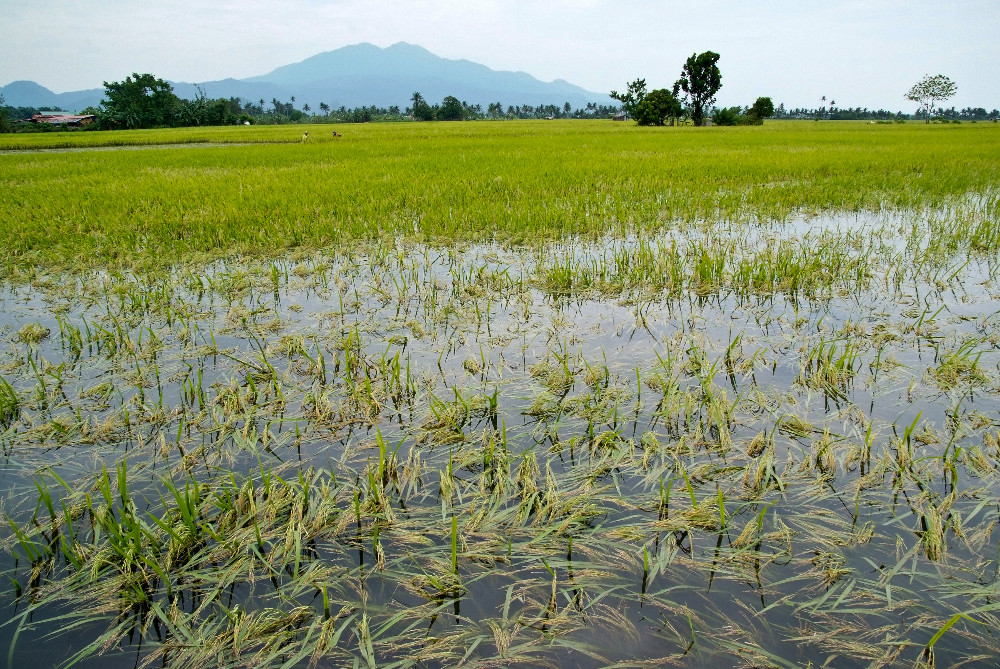
The Nigeria Governors’ Forum has said that severe rainfall and flooding exacerbated the challenges faced by farmers in Nigeria, insisting that the 2022 crop season is a nightmare for most of them.

In a statement issued by the NGF on Tuesday, the governors observed that due to the challenges, many families found it impossible to feed three times a day, adding that cuisines that some families rarely ate were frequent elements in homes.

Read also: US commits additional $5 million to Nigeria to mitigate flooding

In the statement titled, ‘Nigerian Agriculture In 2022: The Ups And Downs,’ and signed by the Senior Agricultural Adviser to the NGF, Prof Abba Gambo, the forum pointed out that the rains came much more than NiMET’s forecasts, leading to serious flooding across the country, affecting 34 out of the 36 states, with the FCT least affected.

“The floods led to massive loss of lives, livestock, properties and farmlands. The much-expected harvest in most states became a mirage. Jigawa State, being the most affected,” the statement added.

The NGF stated that while eager farmers waited for relief following the flooding, the Central Bank of Nigeria announced a redesign of the naira note, indicating unequivocally that the current naira in circulation would cease to be legal tender by January 31, 2023.

This story was adapted from Punch.

Agric woesFloodingNGF
0 comment 0 FacebookTwitterPinterestEmail
admineconai

previous post
US commits additional $5 million to Nigeria to mitigate flooding
next post
Lawmaker blames climate change for water scarcity in Ebonyi communities

Related Posts

𝗨𝗗𝗨𝗦 𝗔𝗹𝘂𝗺𝗻𝘂𝘀 𝗪𝗶𝗻𝘀 𝗡𝗶𝗬𝗔 𝗚𝗿𝗮𝗻𝘁 F𝗼𝗿 𝗖𝗹𝗶𝗺𝗮𝘁𝗲-𝗧𝗲𝗰𝗵 𝗜𝗻𝗻𝗼𝘃𝗮𝘁𝗶𝗼𝗻

December 19, 2025

Nigerian government restates commitment to address climate change

December 19, 2025

How Volunteer Community Rangers Lead the Fight for...

December 17, 2025

How the Military’s Counter-insurgency and Flooding Endanger African...

December 17, 2025

Endangered Donkeys of Sokoto: Exploring the Hidden Drivers...

December 12, 2025

Fortune Charms Craze Threatens Vulture Population in Kano

December 12, 2025

Okomu National Park: Inside Nigeria’s Bold Community-Conservation Experiment

December 11, 2025

Cost of Development: How a Refinery and Highway...

December 11, 2025

FG says Nigeria’s energy transition must reflect national...

December 8, 2025

Climate campaigners demand predictable funding for vulnerable countries

November 21, 2025

Leave a Comment Cancel Reply

Save my name, email, and website in this browser for the next time I comment.

Newsletter

Subscribe my Newsletter for new blog posts, tips & new photos. Let's stay updated!

  • Facebook
  • Twitter
  • Instagram
  • Linkedin
  • Bloglovin
  • Vimeo

@2021 - All Right Reserved. Designed and Developed by Eco-Nai+

EcoNai Newsroom
  • Newsround
  • Nigeria
  • Africa
  • World