Top Posts
๐—จ๐——๐—จ๐—ฆ ๐—”๐—น๐˜‚๐—บ๐—ป๐˜‚๐˜€ ๐—ช๐—ถ๐—ป๐˜€ ๐—ก๐—ถ๐—ฌ๐—” ๐—š๐—ฟ๐—ฎ๐—ป๐˜ F๐—ผ๐—ฟ ๐—–๐—น๐—ถ๐—บ๐—ฎ๐˜๐—ฒ-๐—ง๐—ฒ๐—ฐ๐—ต ๐—œ๐—ป๐—ป๐—ผ๐˜ƒ๐—ฎ๐˜๐—ถ๐—ผ๐—ป
UNEP recognizes pacific students for securing ICJ AO...
Nigerian government restates commitment to address climate change
UN renews drive to strengthen NAZCA portal for...
How Volunteer Community Rangers Lead the Fight for...
How the Military’s Counter-insurgency and Flooding Endanger African...
Endangered Donkeys of Sokoto: Exploring the Hidden Drivers...
Fortune Charms Craze Threatens Vulture Population in Kano
Illegal Farming and Logging Drive Humanโ€“Elephant Conflict in...
Okomu National Park: Inside Nigeriaโ€™s Bold Community-Conservation Experiment
EcoNai Newsroom
  • Newsround
  • Nigeria
  • Africa
  • World
World

Report says climate change will decrease maize, cotton yield in Punjab

by Matthew Eloyi January 24, 2023
written by Matthew Eloyi January 24, 2023
668

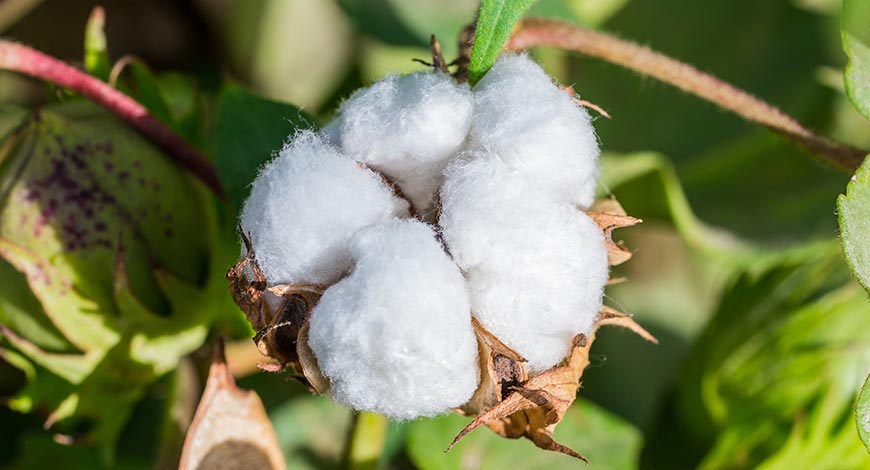
A recent report by agricultural economists and scientists at Punjab Agricultural University (PAU) has revealed that climate change will decrease maize and cotton yield in Punjab by 13 per cent and 11 per cent, respectively, by 2050.

The study made use of temperature and rainfall data gathered between 1986 and 2020 to forecast the consequences of climate change on five significant crops (rice, maize, cotton, wheat, and potato) in the agrarian state. It was published earlier this month in the India Meteorological Department’s Mausam publication.

Read also: Water scarcity hits Kogi as flood damages N10.5bn plant

The researchers employed the five weather observatories established by Punjab Agricultural University: Ludhiana, Patiala, Faridkot, Bathinda, and SBS Nagar to collect climate information.

According to the researchers, agricultural economist Sunny Kumar, scientist Baljinder Kaur Sidana, and PhD student Smily Thakur, long-term changes in climatic elements point to the temperature increase as the primary cause of the changes rather than the shift in rainfall pattern.

Story was adapted from Business World.

Climate changeCottonDecreaseMaizeYield
0 comment 0 FacebookTwitterPinterestEmail
admineconai

previous post
Water scarcity hits Kogi as flood damages N10.5bn plant
next post
NEMA says Nigeria will experience flooding in 2023

Related Posts

UNEP recognizes pacific students for securing ICJ AO...

December 19, 2025

UN renews drive to strengthen NAZCA portal for...

December 19, 2025

Researchers shows promising adaptations to climate change in...

December 8, 2025

Report shows more than 900 dead, 274 missing...

December 8, 2025

Indonesia works to restore normalcy after floods in...

December 6, 2025

New report Report highlights Amazonian climate assemblies as...

December 6, 2025

1 million evacuated as death toll from Indonesia...

December 3, 2025

Japan reports mass oyster deaths as sea temperatures...

December 3, 2025

Study finds Africaโ€™s forests transformed from carbon sink...

December 2, 2025

Flooding kills 69 in Sumatra as rescue crews...

November 28, 2025

Leave a Comment Cancel Reply

Save my name, email, and website in this browser for the next time I comment.

Newsletter

Subscribe my Newsletter for new blog posts, tips & new photos. Let's stay updated!

  • Facebook
  • Twitter
  • Instagram
  • Linkedin
  • Bloglovin
  • Vimeo

@2021 - All Right Reserved. Designed and Developed by Eco-Nai+

EcoNai Newsroom
  • Newsround
  • Nigeria
  • Africa
  • World