Top Posts
Study shows microplastics weaken oceans’ carbon-absorbing role
Delaware moves to address climate change, protect communities
Trump withdraws US from over 66 international organization
Study finds climate change accelerates tree deaths across...
Report: Climate change strains Croatia’s power system
NEMA asks flood‑prone communities to adopt risk reduction
Displaced Women in Nigeria Suffer Extreme Heat that...
Study shows forcing lifestyle changes could weaken support...
Women engineers donate 100 tree seedlings to HJRBDA
Court ruling blocks Hawaii’s climate change tourist tax...
EcoNai Newsroom
  • Newsround
  • Nigeria
  • Africa
  • World
Nigeria

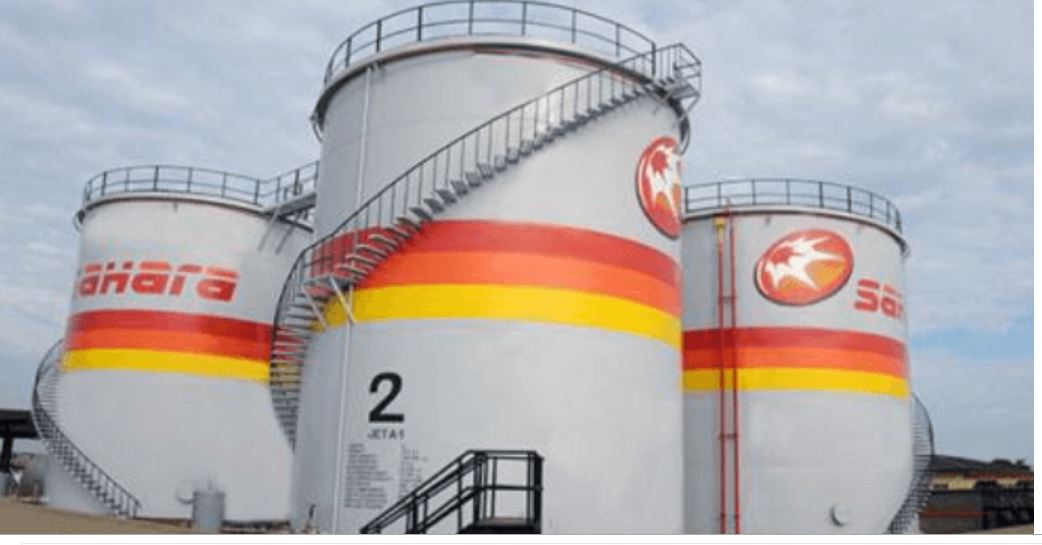
Sahara Group advocates backwards integration in energy sector

by Matthew Atungwu April 27, 2023
written by Matthew Atungwu April 27, 2023
728

Ejiro Grey, director of governance and sustainability at Sahara Group has said that backward integration in the energy sector will promote growth and sustainability through enhanced efficiencies, innovation, and local participation.

She noted that backward integration in the energy industry will encourage host communities’ cooperation in operations along the entire value chain while speaking at the just completed Nigeria International Energy Summit in Abuja.

Grey continued by saying that increasing local capability for the extraction and processing of natural resources will promote economic expansion and the development of jobs.

Read Also: scientists-say-climate-change-responsible-for-catastrophic-drought-in-east-africa

Speaking during a panel session on the theme “Local Content Investment and Sustainable Energy Future”, she said, “Backward integration helps to reduce the cost of raw materials, providing a more stable and predictable supply chain that presents opportunities for growth and self-sufficiency in the oil and gas sector. This is arguably one of the best ways of developing and enhancing local expertise and sustainability in the sector.”

According to Gray, the sector needs to work on developing policies that prioritize the development of local capacity and offer incentives for backward integration.

Story adapted from Punch

Sahara Group
0 comment 0 FacebookTwitterPinterestEmail
admineconai

previous post
UK’s pension funds to vote against reappointing BP’s chairman over climate goals
next post
Institute funds training on renewable energy

Related Posts

NEMA asks flood‑prone communities to adopt risk reduction

January 6, 2026

Displaced Women in Nigeria Suffer Extreme Heat that...

January 4, 2026

Women engineers donate 100 tree seedlings to HJRBDA

January 1, 2026

𝗨𝗗𝗨𝗦 𝗔𝗹𝘂𝗺𝗻𝘂𝘀 𝗪𝗶𝗻𝘀 𝗡𝗶𝗬𝗔 𝗚𝗿𝗮𝗻𝘁 F𝗼𝗿 𝗖𝗹𝗶𝗺𝗮𝘁𝗲-𝗧𝗲𝗰𝗵 𝗜𝗻𝗻𝗼𝘃𝗮𝘁𝗶𝗼𝗻

December 19, 2025

Nigerian government restates commitment to address climate change

December 19, 2025

How Volunteer Community Rangers Lead the Fight for...

December 17, 2025

How the Military’s Counter-insurgency and Flooding Endanger African...

December 17, 2025

Endangered Donkeys of Sokoto: Exploring the Hidden Drivers...

December 12, 2025

Fortune Charms Craze Threatens Vulture Population in Kano

December 12, 2025

Okomu National Park: Inside Nigeria’s Bold Community-Conservation Experiment

December 11, 2025

Leave a Comment Cancel Reply

Save my name, email, and website in this browser for the next time I comment.

Newsletter

Subscribe my Newsletter for new blog posts, tips & new photos. Let's stay updated!

  • Facebook
  • Twitter
  • Instagram
  • Linkedin
  • Bloglovin
  • Vimeo

@2021 - All Right Reserved. Designed and Developed by Eco-Nai+

EcoNai Newsroom
  • Newsround
  • Nigeria
  • Africa
  • World