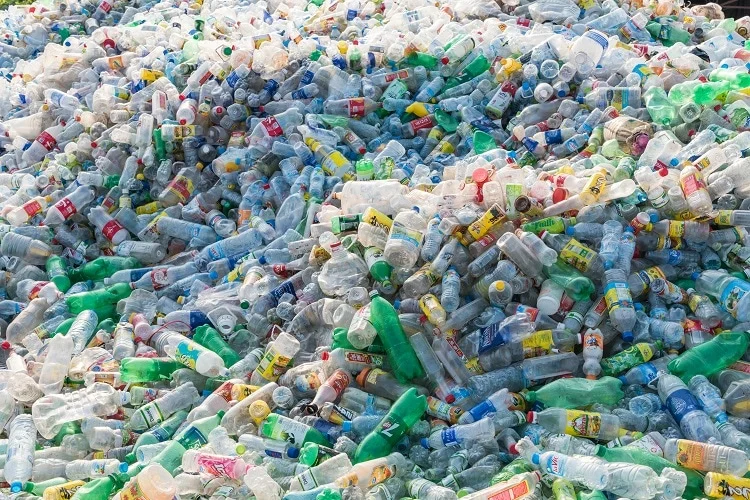
The Nigerian Federal Government has been urged to ban single-use plastic in the country by members of the Global Alliance for Incineration Alternatives (GAIA) Nigeria .
They said styrofoam, microbeads, carrier bags, plastic spoons, straws, and disposable cups have no economic value (recycling) potential and they want them banned beginning from 2024 as opposed to the current 2028 date as contained in the proposed national policy on plastic waste management while they also want the Federal Government to declare a state of emergency on plastic production and its chemical constituent transparency.
The calls were made at a two-day workshop in Lagos, which had national and international stakeholders from the value chain of plastic policy processes in attendance, including Lagos State Government Ministries, Departments, and Agencies (MDAs), civil society organisations, experts, trade associations and media, as they deliberated on national and international plastic policy processes.
Read also: Von der Leyen says she will tackle US green subsidies
Connecting the various GAIA Nigeria members in the country, exchanging knowledge on zero waste, discussing incinerator alternatives and crystallise ideas on the way forward as Nigeria plays a pivotal role in Africa’s waste management practices were the objectives of the workshop.
And participants at the workshop urged the Federal Government to avoid the adoption of waste- to-energy technologies such as municipal waste Incinerators and chemical recycling facilities, which they said are false solutions as they enable the unsustainable consumption of resources, contribute to climate change, release a cocktail of noxious substances that pose hazards to public health, and diverts funds from cheaper, sustainable zero-waste solutions.
The stakeholders agreed that all national and state plastic policies should incorporate zero waste principles, taking into account an entire lifecycle approach to plastic management and non-recyclable materials and said there is need for a nationwide campaign and capacity development of policymakers on the toxicity of plastic within the plastic value chain in the country as plastic waste and its increasing global and national concerns, as well as its attendant public and environmental health implications remains a challenge.
Whereas waste reduction is key to having zero waste, this concept is not yet fully mainstreamed into national and state waste policy processes.
“Plastic is mainly carbon and chemical based, however, there is a huge knowledge gap in understanding the toxic chemical components in Nigeria. These hazardous substances are easily transferred into the food chain and other environmental media,” they said.
However, they said there is a paucity of information and data on the volume and chemical constituent of plastic in the Nigerian market.
“There is a plastic waste regulation ongoing; however, the existing Extended Producer Responsibility (EPR) framework is weak and incapable of addressing the current plastic waste management challenges. The National Association of Scraps and Waste Pickers Association exists at an informal level, they require recognition and integration in the waste management sector,” the groups said.
Story was adapted from Guardian.
