Top Posts
๐—จ๐——๐—จ๐—ฆ ๐—”๐—น๐˜‚๐—บ๐—ป๐˜‚๐˜€ ๐—ช๐—ถ๐—ป๐˜€ ๐—ก๐—ถ๐—ฌ๐—” ๐—š๐—ฟ๐—ฎ๐—ป๐˜ F๐—ผ๐—ฟ ๐—–๐—น๐—ถ๐—บ๐—ฎ๐˜๐—ฒ-๐—ง๐—ฒ๐—ฐ๐—ต ๐—œ๐—ป๐—ป๐—ผ๐˜ƒ๐—ฎ๐˜๐—ถ๐—ผ๐—ป
UNEP recognizes pacific students for securing ICJ AO...
Nigerian government restates commitment to address climate change
UN renews drive to strengthen NAZCA portal for...
How Volunteer Community Rangers Lead the Fight for...
How the Military’s Counter-insurgency and Flooding Endanger African...
Endangered Donkeys of Sokoto: Exploring the Hidden Drivers...
Fortune Charms Craze Threatens Vulture Population in Kano
Illegal Farming and Logging Drive Humanโ€“Elephant Conflict in...
Okomu National Park: Inside Nigeriaโ€™s Bold Community-Conservation Experiment
EcoNai Newsroom
  • Newsround
  • Nigeria
  • Africa
  • World
World

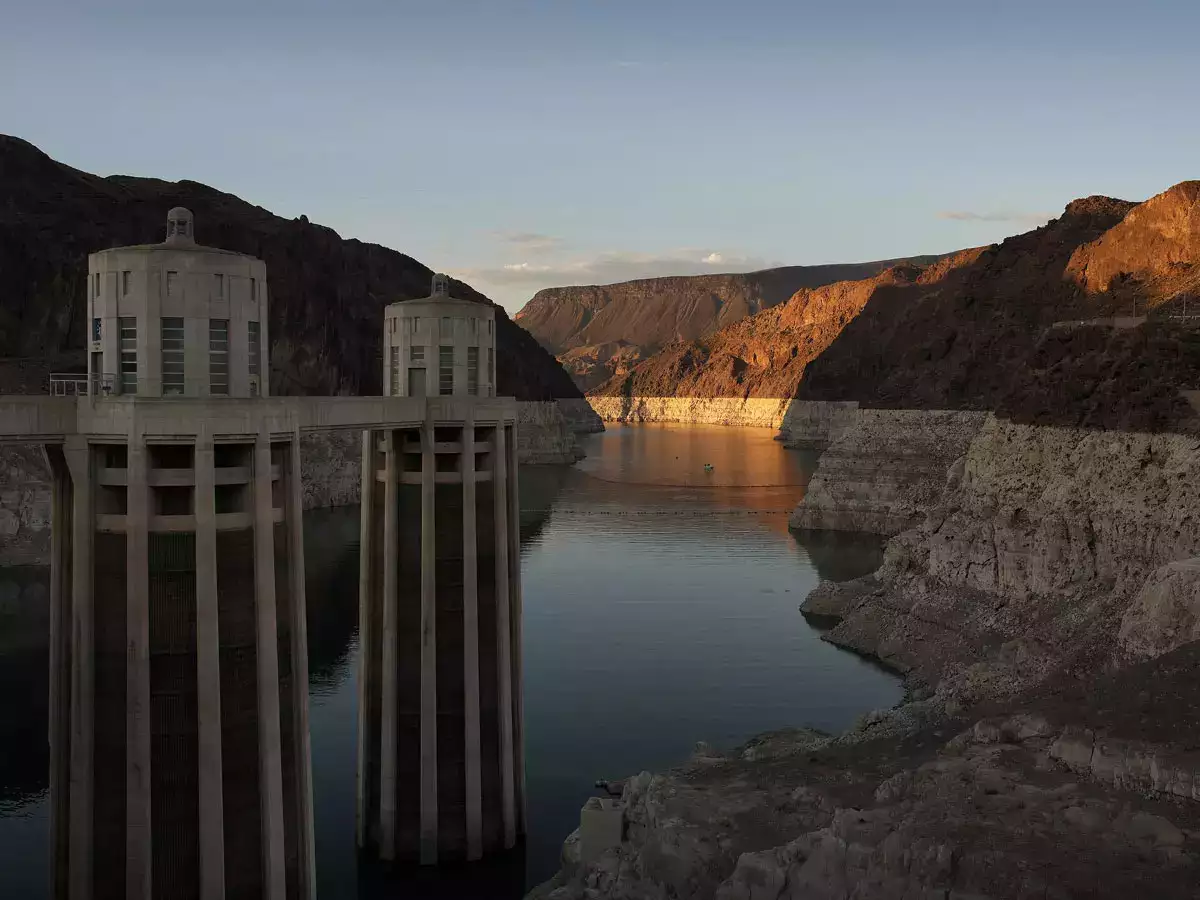
UN study shows World’s dams could lose a quarter of storage capacity by 2050

by Segun Ogunlade January 12, 2023
written by Segun Ogunlade January 12, 2023
574

A United Nations study released on Wednesday has shown that sedimentation build-ups, eroding global water and energy security could cause about 50,000 large dams worldwide to lose more than a quarter of their storage capacity by 2050.

The United Nations University warned that action must be taken to address the problem and protect vital storage infrastructure as dam capacity is expected to drop from 6 trillion cubic metres (cu m) to 4.655 trillion cu m by 2050.

The U.N. study said 16% of the original capacity of more than 47,000 dams in 150 countries had already been lost, adding the US could lose 34% by 2050, while Brazil, India and China could lose 23%, 26%, and 20% respectively.

Read also: UAE names COP28 climate conference president

Critics have long warned that the long-term social and environmental costs of giant dams far outweigh their benefits.

Vladimir Smakhtin, director of the UN University’s Institute for Water, Environment and Health and one of the study’s authors, said dam building worldwide had already declined significantly, with around 50 a year now being built, compared to 1,000 in the middle of the last century.

“I would argue that the question we should now be asking is what are the alternatives to dams – including in generating power – considering that they are being phased out,” he said.

Story was adapted from Reuters.

CapacityDamsQuarterStorage
0 comment 0 FacebookTwitterPinterestEmail
admineconai

previous post
UAE names COP28 climate conference president
next post
U.N. seeks investigation into killing of two environmentalists in Honduras

Related Posts

UNEP recognizes pacific students for securing ICJ AO...

December 19, 2025

UN renews drive to strengthen NAZCA portal for...

December 19, 2025

Researchers shows promising adaptations to climate change in...

December 8, 2025

Report shows more than 900 dead, 274 missing...

December 8, 2025

Indonesia works to restore normalcy after floods in...

December 6, 2025

New report Report highlights Amazonian climate assemblies as...

December 6, 2025

1 million evacuated as death toll from Indonesia...

December 3, 2025

Japan reports mass oyster deaths as sea temperatures...

December 3, 2025

Study finds Africaโ€™s forests transformed from carbon sink...

December 2, 2025

Flooding kills 69 in Sumatra as rescue crews...

November 28, 2025

Leave a Comment Cancel Reply

Save my name, email, and website in this browser for the next time I comment.

Newsletter

Subscribe my Newsletter for new blog posts, tips & new photos. Let's stay updated!

  • Facebook
  • Twitter
  • Instagram
  • Linkedin
  • Bloglovin
  • Vimeo

@2021 - All Right Reserved. Designed and Developed by Eco-Nai+

EcoNai Newsroom
  • Newsround
  • Nigeria
  • Africa
  • World