Top Posts
๐—จ๐——๐—จ๐—ฆ ๐—”๐—น๐˜‚๐—บ๐—ป๐˜‚๐˜€ ๐—ช๐—ถ๐—ป๐˜€ ๐—ก๐—ถ๐—ฌ๐—” ๐—š๐—ฟ๐—ฎ๐—ป๐˜ F๐—ผ๐—ฟ ๐—–๐—น๐—ถ๐—บ๐—ฎ๐˜๐—ฒ-๐—ง๐—ฒ๐—ฐ๐—ต ๐—œ๐—ป๐—ป๐—ผ๐˜ƒ๐—ฎ๐˜๐—ถ๐—ผ๐—ป
UNEP recognizes pacific students for securing ICJ AO...
Nigerian government restates commitment to address climate change
UN renews drive to strengthen NAZCA portal for...
How Volunteer Community Rangers Lead the Fight for...
How the Military’s Counter-insurgency and Flooding Endanger African...
Endangered Donkeys of Sokoto: Exploring the Hidden Drivers...
Fortune Charms Craze Threatens Vulture Population in Kano
Illegal Farming and Logging Drive Humanโ€“Elephant Conflict in...
Okomu National Park: Inside Nigeriaโ€™s Bold Community-Conservation Experiment
EcoNai Newsroom
  • Newsround
  • Nigeria
  • Africa
  • World
World

WHO report shows Millions of Bangladeshis displaced by climate change in 2022

by By Matthew Eloyi November 29, 2022
written by By Matthew Eloyi November 29, 2022
828

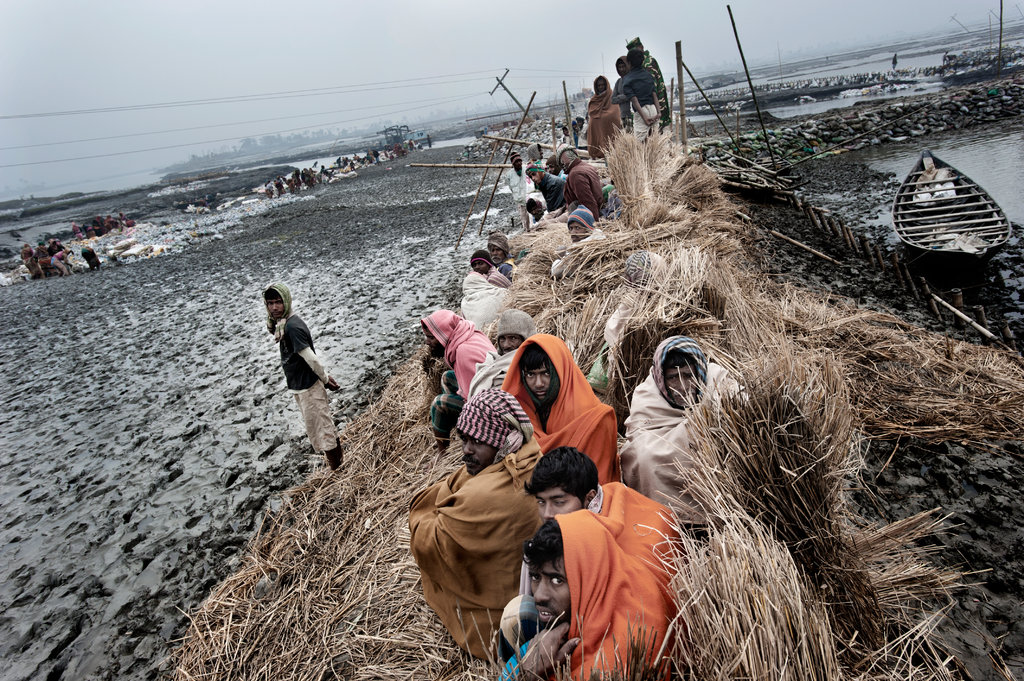
A report released by the World Health Organization (WHO) has shown that millions of people in Bangladesh lost their homes and means of support this year as a result of climate change, which is fueling an uncontrollable internal migration.

According to the WHO’s assessment of the situation in the nation of about 168 million people, more than 7.1 million Bangladeshis were displaced by climate change in 2022, and that number might rise to 13.3 million by 2050.

Meanwhile, Bangladesh’s foreign ministry has claimed that the effects of climate change cost the nation 1% of its annual GDP. By 2050, it is predicted that 17% of the nation’s coastal regions will be underwater, displacing roughly 20 million people.

Recall that the 2020 Global Climate Risk Index listed Bangladesh as the seventh riskiest country.

Read also: Climate Change: Firm urges private sector to adopt renewable energy technology

The WHO assessment also showed that the country has also experienced three significant influxes of forcibly displaced Myanmar nationals totalling more than a million people since 1978. Each of these individuals has specific medical needs and is being housed in one of the biggest and most crowded camps in the world in Cox’s Bazar.

The assessment comes ahead of the third iteration of the annual Global School on Refugee and Migrant Health, which is being held in the capital city of Dhaka from November 28 to December 2. The event is being organized by the WHO to assist nations and territories in enhancing professional competency and ability to effectively manage health concerns relating to migrants and refugees.

Story was adapted from AA.

BangladeshisClimate changeDisplacementFloodReportWHO
0 comment 0 FacebookTwitterPinterestEmail
admineconai

previous post
Climate Change: Firm urges private sector to adopt renewable energy technology
next post
UNOPS, NEDC partner on renewable Energy

Related Posts

UNEP recognizes pacific students for securing ICJ AO...

December 19, 2025

UN renews drive to strengthen NAZCA portal for...

December 19, 2025

Researchers shows promising adaptations to climate change in...

December 8, 2025

Report shows more than 900 dead, 274 missing...

December 8, 2025

Indonesia works to restore normalcy after floods in...

December 6, 2025

New report Report highlights Amazonian climate assemblies as...

December 6, 2025

1 million evacuated as death toll from Indonesia...

December 3, 2025

Japan reports mass oyster deaths as sea temperatures...

December 3, 2025

Study finds Africaโ€™s forests transformed from carbon sink...

December 2, 2025

Flooding kills 69 in Sumatra as rescue crews...

November 28, 2025

Leave a Comment Cancel Reply

Save my name, email, and website in this browser for the next time I comment.

Newsletter

Subscribe my Newsletter for new blog posts, tips & new photos. Let's stay updated!

  • Facebook
  • Twitter
  • Instagram
  • Linkedin
  • Bloglovin
  • Vimeo

@2021 - All Right Reserved. Designed and Developed by Eco-Nai+

EcoNai Newsroom
  • Newsround
  • Nigeria
  • Africa
  • World