The World Health Organization (WHO) has announced the launch of its first-ever regional strategy for climate and health action, alongside health ministers and health partners from 38 countries and areas attending the seventy-sixth session of the WHO Regional Committee for the Western Pacific.
The strategy was developed by the WHO Asia-Pacific Centre for Environment and Health in the Western Pacific Region (ACE), based in Seoul and hosted by the Republic of Korea.
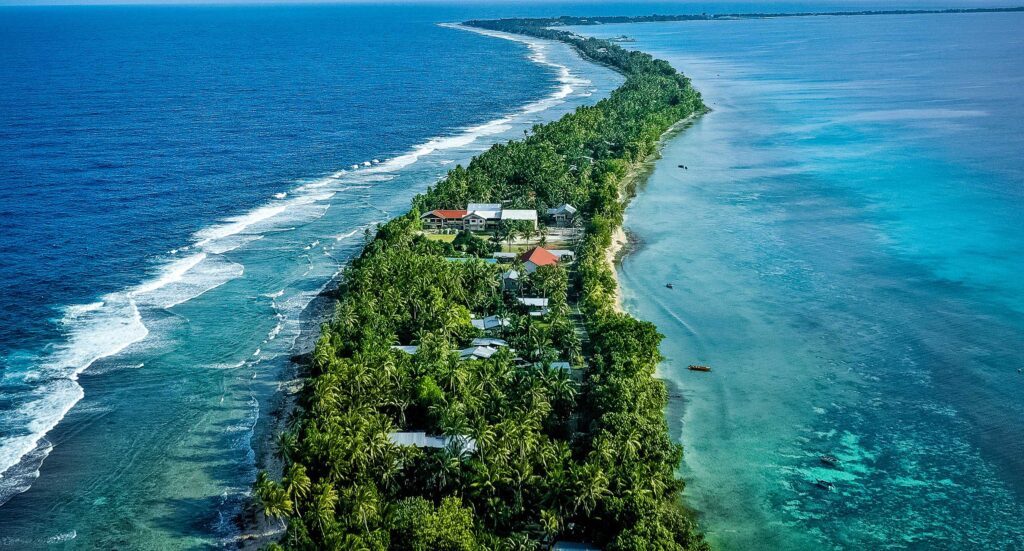
The Western Pacific Region – home to more than 2.2 billion people and one of the most climate-vulnerable regions on Earth – is a driver of global progress on climate-related health action. From rising sea levels threatening island nations to worsening air pollution and extreme heat in rapidly growing cities, the impacts of a changing climate are already claiming lives and livelihoods across the Region.
Each year, around 3.5 million people in the Western Pacific Region die from preventable environmental causes, including unsafe water, polluted air and exposure to extreme weather. Outdoor air pollution alone takes one life every 14 seconds in the Region – stark evidence that climate change and environmental degradation are already major public health crises.
“Climate change is no longer a distant threat – it is a health emergency unfolding in real time,” said Dr Saia Ma’u Piukala, WHO Regional Director for the Western Pacific. “Our new strategy, through our centre of excellence on climate and health, is an urgent call to action to protect our people and our planet, ensuring a healthier, fairer and more sustainable future for all.”
Read also: New report shows nearly 900 million poor people exposed to climate hazards
The Strategic plan for the WHO Asia-Pacific Centre for Environment and Health (2025– 2030) sets out three priorities for the next five years:
Climate-resilient and sustainable health systems – helping countries adapt to climate impacts while reducing emissions from the health sector.
Healthy urban and island systems – promoting cleaner air, safer water and more sustainable urban development.
Sustainable food systems for people and planet – advancing nutrition and climate goals through resilient, low-emission food systems.
Globally, WHO estimates that climate change could cause an additional 250 000 deaths every year between 2030 and 2050 from malnutrition, malaria, heat stress and other causes – but much of that burden will fall on the Asia-Pacific region.
“This strategy harnesses the Region’s extraordinary diversity, innovation and leadership to turn ambition into action,” said Dr Sandro Demaio, ACE Director. “The Western Pacific truly holds the key to global progress on climate and health – what happens here will shape the health of generations to come.
“Fiji, a Pacific island nation, provides the perfect backdrop to launch our strategy, symbolizing Pacific countries and areas whose very existence is threatened by rising sea levels and other manifestations of the climate crisis,” he added.
The strategy will guide regional efforts to scale up implementation, foster innovation and strengthen cooperation among governments, researchers and partners across the Asia-Pacific region – to better protect health, build resilience and accelerate climate action.
Story was adapted from WHO.
