Top Posts
New model to calculate true impact of climate...
Study shows air conditioners will worsen climate change...
New study links South Australia’s rainfall plunge to...
Floods in eastern Congo leave more than 2,500...
Flood: NEDC assures residents and motorists of speedy...
Study warns Grasslands Could Shrink by Half As...
Study shows floods linked to climate change hit...
Study shows existing insurance system falls short against...
President Samia says climate change eroding African livelihoods
UN member states urged to fulfil climate change...
EcoNai Newsroom
  • Newsround
  • Nigeria
  • Africa
  • World
World

Drought-hit California cities to get little water from state

by Segun Ogunlade December 3, 2022
written by Segun Ogunlade December 3, 2022
704

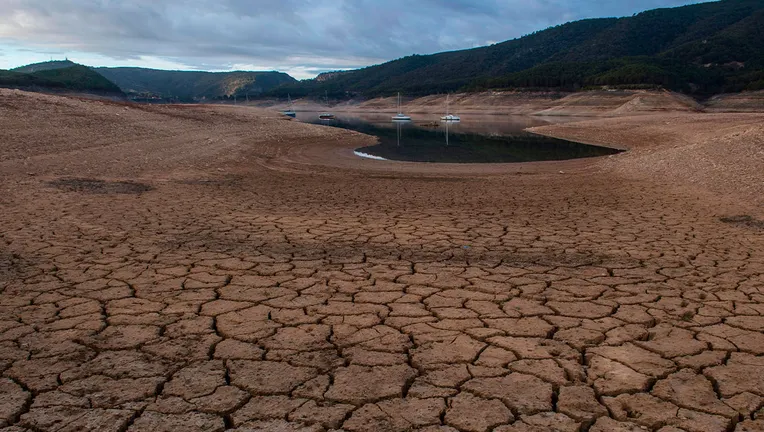
Water officials in California have announced that water agencies that serve 27 million people will get just 5% of what they requested from the state to start 2023.

This comes as California concludes its driest three-year stretch on record and as water managers brace for a fourth year with below-average precipitation.

However, if the winter is wetter than expected, the state could boost how much supply it plans to give out — as it did last year when allocations started at 0% and ended the winter at 5%.

A storm currently bringing snow and rain to the northern end of the state has been welcome news, warned Michael Anderson, the state climatologist warned that people shouldn’t get too optimistic. Last year two major storms in October and December were followed by months of bone-dry weather.

Read also: NGO calls for preventive measures against environmental challenges

According to reports, Much of California’s water supply comes from the snow that falls in the mountains during the winter and enters the watershed as it melts through spring. Some of it is stored in reservoirs for later use, while some are sent south through massive pumping systems.

Given the uncertainty about how long the drought will last, the state wants to keep water in Lake Oroville, its largest reservoir which at the moment is about half as full as it usually, is at this time of year and officials plan to tap excess water from winter storms to provide the 5% supply and take some water out of the San Luis Reservoir in Merced County.

“If drought conditions extend into 2023, Reclamation will find it increasingly difficult, if not impossible, to meet all the competing needs of the Central Valley Project without beginning the implementation of additional and more severe water conservation actions,” said the U.S. Bureau of Reclamation.

Story was adapted from AP.

CaliforniaCitiesDroughtWater
0 comment 0 FacebookTwitterPinterestEmail
admineconai

previous post
NGO calls for preventive measures against environmental challenges
next post
GEF approves new biodiversity funding

Related Posts

New model to calculate true impact of climate...

February 27, 2026

New study links South Australia’s rainfall plunge to...

February 27, 2026

Study warns Grasslands Could Shrink by Half As...

February 23, 2026

Study shows floods linked to climate change hit...

February 18, 2026

UN member states urged to fulfil climate change...

February 16, 2026

US pressures Vanuatu over ICJ’s historic climate change...

February 16, 2026

Simon Stiell says climate action can deliver stability...

February 16, 2026

Study shows climate change impact on Agriculture

February 9, 2026

Swedish youth sue government over inability to address...

February 6, 2026

Oxford study shows almost half of world’s population...

January 27, 2026

Leave a Comment Cancel Reply

Save my name, email, and website in this browser for the next time I comment.

Newsletter

Subscribe my Newsletter for new blog posts, tips & new photos. Let's stay updated!

  • Facebook
  • Twitter
  • Instagram
  • Linkedin
  • Bloglovin
  • Vimeo

@2021 - All Right Reserved. Designed and Developed by Eco-Nai+

EcoNai Newsroom
  • Newsround
  • Nigeria
  • Africa
  • World