Top Posts
1 million evacuated as death toll from Indonesia...
Japan reports mass oyster deaths as sea temperatures...
Study finds Africa’s forests transformed from carbon sink...
Flooding kills 69 in Sumatra as rescue crews...
Death toll from southern Thailand flooding climbs to...
AFDB strengthens investments in climate-peace-security nexus
Climate campaigners demand predictable funding for vulnerable countries
UNICEF says Nigerian children exposed to climate change...
NCCC DG says Nigeria prepared to tackle climate...
Experts warn climate change driving major declines in...
EcoNai Newsroom
  • Newsround
  • Nigeria
  • Africa
  • World
World

Research says plastic consumption on course to nearly double by 2050 in G20 countries

by Segun Ogunlade February 27, 2023
written by Segun Ogunlade February 27, 2023
642

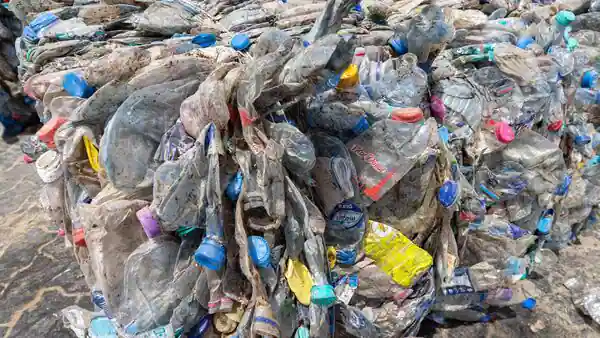
New report published on Monday has shown that plastic use in G20 countries will likely double by the middle of the century with the only solution been to agree a comprehensive and legally binding global treaty to curb consumption.

Published by Back to Blue, a research group run by the Economist Impact think-tank and the Nippon Foundation, the report says programmes to boost recycling or cut single-use plastic consumption only “scratched the surface” and a more comprehensive global plan is required to tackle it.

In November 2022, the United Nations kicked off negotiations in Uruguay as it seeks agreement from countries to tackle plastic pollution with the aim of drawing up a legally binding treaty by the end of 2024 and as many as 175 countries have signed up to the talks.

Read also: LSWC calls for access to sustainable, climate-resilient water services

Projections from current rates of growth shows annual plastic production in G20 countries could rise to 451 million tonnes by 2050, up nearly three-quarters from 2019, if negotiations fail, according to Back to Blue.

“There should be no illusions that the treaty negotiations will be anything but difficult and treacherous. The chances of failure – not just that no treaty emerges but one that is too weak to reverse the plastic tide – are considerable,” the research group said.

It therefore called for a more aggressive ban on single-use plastic together with higher production taxes and mandatory schemes to make firms responsible for the entire lifespan of their products, including recycling and disposal as combined measures could limit annual consumption to 325 million tonnes by 2050.

Among the G20 countries that have yet to introduce national bans on single-use plastic products are Brazil, the United States, Indonesia and Turkey, the report said.

Story was adapted from Reuters.

EnvironmentG20UN
0 comment 0 FacebookTwitterPinterestEmail
admineconai

previous post
LSWC calls for access to sustainable, climate-resilient water services
next post
Greenhouse gas emissions created by keeping wild animals exacerbate climate crisis, report says

Related Posts

1 million evacuated as death toll from Indonesia...

December 3, 2025

Japan reports mass oyster deaths as sea temperatures...

December 3, 2025

Study finds Africa’s forests transformed from carbon sink...

December 2, 2025

Flooding kills 69 in Sumatra as rescue crews...

November 28, 2025

Death toll from southern Thailand flooding climbs to...

November 28, 2025

Experts warn climate change driving major declines in...

November 18, 2025

IEA predicts energy security risks from climate as...

November 18, 2025

Stiell demands scaled-up adaptation finance

November 15, 2025

Germany’s Merz says world at a crossroads to...

November 14, 2025

New UN climate report underscores call for Africa...

November 6, 2025

Leave a Comment Cancel Reply

Save my name, email, and website in this browser for the next time I comment.

Newsletter

Subscribe my Newsletter for new blog posts, tips & new photos. Let's stay updated!

  • Facebook
  • Twitter
  • Instagram
  • Linkedin
  • Bloglovin
  • Vimeo

@2021 - All Right Reserved. Designed and Developed by Eco-Nai+

EcoNai Newsroom
  • Newsround
  • Nigeria
  • Africa
  • World