Top Posts
NASA reports record heat but omits reference to...
Guterres says world in climate chaos ‘cannot be...
Farmers urge govt to subsidise solar-powered irrigation facilities
EU Scientists say global warming topped key 1.5C...
Minister says Tinubu to push Nigeria’s position on...
WMO warns 11-year streak of record global warming...
Study shows microplastics weaken oceans’ carbon-absorbing role
Delaware moves to address climate change, protect communities
Trump withdraws US from over 66 international organization
Study finds climate change accelerates tree deaths across...
EcoNai Newsroom
  • Newsround
  • Nigeria
  • Africa
  • World
World

Study shows forcing lifestyle changes could weaken support for climate action

by admineconai January 1, 2026
written by admineconai January 1, 2026
131

A new study has found that climate policies that push people to change how they live, such as eating less meat, banning cars from city centres or cutting air travel, may weaken public support for climate action.

Research published in Nature Sustainability suggests that some policies aimed at changing personal behaviour can backfire if people feel they are being forced to comply. Instead of strengthening environmental commitment, such measures may erode people’s underlying “green” values and reduce support for other climate policies.

“Policies don’t just spur a target behaviour,” said Katrin Schmelz, a behavioural economist and psychologist at the Technical University of Denmark and lead author of the study. “They can change people’s underlying values, leading to unintended negative effects.”

The researchers surveyed more than 3,000 people in Germany, using a sample designed to reflect the country’s demographics. Participants were asked about a range of climate policies, with questions about Covid-19 restrictions included for comparison.

Read also: Women engineers donate 100 tree seedlings to HJRBDA

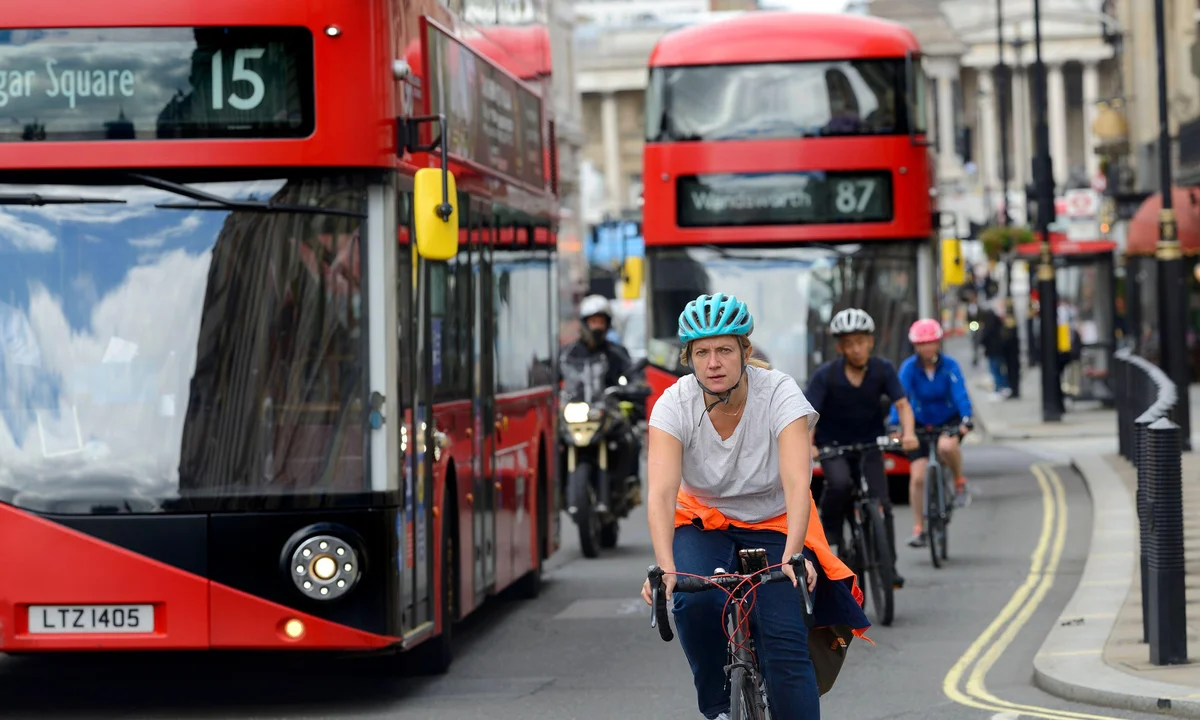
The findings show that mandates targeting lifestyle choices, such as urban car bans, can provoke strong resistance, even among people who already try to live sustainably. In some cases, respondents reacted more negatively to climate rules than to pandemic restrictions.

The study describes this response as a “crowding-out effect”, where resentment towards being controlled overrides people’s existing motivation to make environmentally friendly choices, such as cycling, using public transport or reducing energy use at home.

“These crowding-out effects are big enough that policymakers should worry,” said Sam Bowles, an economist at the Santa Fe Institute and co-author of the paper.

Story was adapted from Independent.

ActionClimate changeLifestyleStudySupport
0 comment 0 FacebookTwitterPinterestEmail
admineconai

previous post
Women engineers donate 100 tree seedlings to HJRBDA
next post
Displaced Women in Nigeria Suffer Extreme Heat that “Feels Like Dying”

Related Posts

EU Scientists say global warming topped key 1.5C...

January 14, 2026

WMO warns 11-year streak of record global warming...

January 14, 2026

Study shows microplastics weaken oceans’ carbon-absorbing role

January 8, 2026

Delaware moves to address climate change, protect communities

January 8, 2026

Trump withdraws US from over 66 international organization

January 8, 2026

Study finds climate change accelerates tree deaths across...

January 6, 2026

Report: Climate change strains Croatia’s power system

January 6, 2026

Court ruling blocks Hawaii’s climate change tourist tax...

January 1, 2026

Brazilian Women To Join New UN Climate Assessment...

December 31, 2025

New report warns climate change driving extreme weather...

December 31, 2025

Leave a Comment Cancel Reply

Save my name, email, and website in this browser for the next time I comment.

Newsletter

Subscribe my Newsletter for new blog posts, tips & new photos. Let's stay updated!

  • Facebook
  • Twitter
  • Instagram
  • Linkedin
  • Bloglovin
  • Vimeo

@2021 - All Right Reserved. Designed and Developed by Eco-Nai+

EcoNai Newsroom
  • Newsround
  • Nigeria
  • Africa
  • World