Top Posts
New model to calculate true impact of climate...
Study shows air conditioners will worsen climate change...
New study links South Australia’s rainfall plunge to...
Floods in eastern Congo leave more than 2,500...
Flood: NEDC assures residents and motorists of speedy...
Study warns Grasslands Could Shrink by Half As...
Study shows floods linked to climate change hit...
Study shows existing insurance system falls short against...
President Samia says climate change eroding African livelihoods
UN member states urged to fulfil climate change...
EcoNai Newsroom
  • Newsround
  • Nigeria
  • Africa
  • World
World

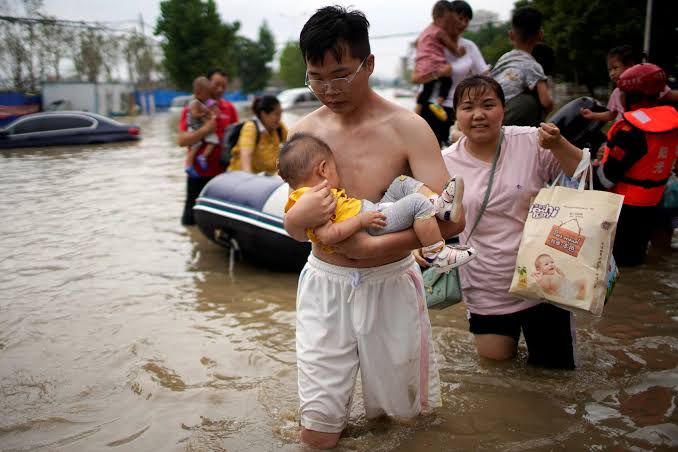
Report shows China suffered world’s 2nd worst losses from floods in 2021

by admineconai April 6, 2022
written by admineconai April 6, 2022
1.2K

Latest data from the Swiss Re Institute, a Zurich-based firm, has shown that China lost over $25 billion as a result of floods in 2021, making it the world’s second worst hit after Europe.

The data showed that Europe endured more than China and recorded over USD 41.8 billion of flood-related losses when extreme rainstorms hit Germany and neighbouring nations in July.

According to the report, natural catastrophes in 2021 alone resulted in a total global economic loss of USD 270 billion and insured losses of USD 111 billion, which is the fourth-highest on sigma records.

Read also: Scientists seek end to fossil fuel use

The data showed that while Hurricane Ida was the costliest single natural disaster in 2021, secondary peril events once again accounted for most insured losses from natural catastrophes over the year.

It showed that the flooding in Europe in Julywas the costliest natural disaster on record in the region.

Responding, Head of Catastrophe Perils at Swiss Re, Martin Bertogg, said that “Floods affect nearly a third of the world population, more than any other peril. He added that In 2021 alone, more than 50 severe flood events across the world were witnessed.

“Given the scale of devastation, flood risk deserves the same attention and risk assessment rigour as primary perils such as hurricanes,”he said.

The report further showed that climate change is expected to cause more frequent and more extreme weather events, especially with growing populations, rapid urban development and the accumulation of economic wealth in disaster-prone areas are contributing to the ever-growing catastrophe losses.

In his reaction, Swiss Re’s Group Chief Economist, Jerome Jean Haegeli, said “Growing losses from floods are becoming ever more apparent,”. “Last year we had another wake-up call. There is a growing urgency for action to increase the resilience of societies worldwide”.

Story was adapted from Business Standard.

$25 billionChinaDamagesFloods
0 comment 0 FacebookTwitterPinterestEmail
admineconai

previous post
Scientists seek end to fossil fuel use
next post
Study shows climate change likely cause of birds laying eggs earlier

Related Posts

New model to calculate true impact of climate...

February 27, 2026

New study links South Australia’s rainfall plunge to...

February 27, 2026

Study warns Grasslands Could Shrink by Half As...

February 23, 2026

Study shows floods linked to climate change hit...

February 18, 2026

UN member states urged to fulfil climate change...

February 16, 2026

US pressures Vanuatu over ICJ’s historic climate change...

February 16, 2026

Simon Stiell says climate action can deliver stability...

February 16, 2026

Study shows climate change impact on Agriculture

February 9, 2026

Swedish youth sue government over inability to address...

February 6, 2026

Oxford study shows almost half of world’s population...

January 27, 2026

Leave a Comment Cancel Reply

Save my name, email, and website in this browser for the next time I comment.

Newsletter

Subscribe my Newsletter for new blog posts, tips & new photos. Let's stay updated!

  • Facebook
  • Twitter
  • Instagram
  • Linkedin
  • Bloglovin
  • Vimeo

@2021 - All Right Reserved. Designed and Developed by Eco-Nai+

EcoNai Newsroom
  • Newsround
  • Nigeria
  • Africa
  • World